


Véronique Vienne|Books
December 31, 2009
Against Objectification
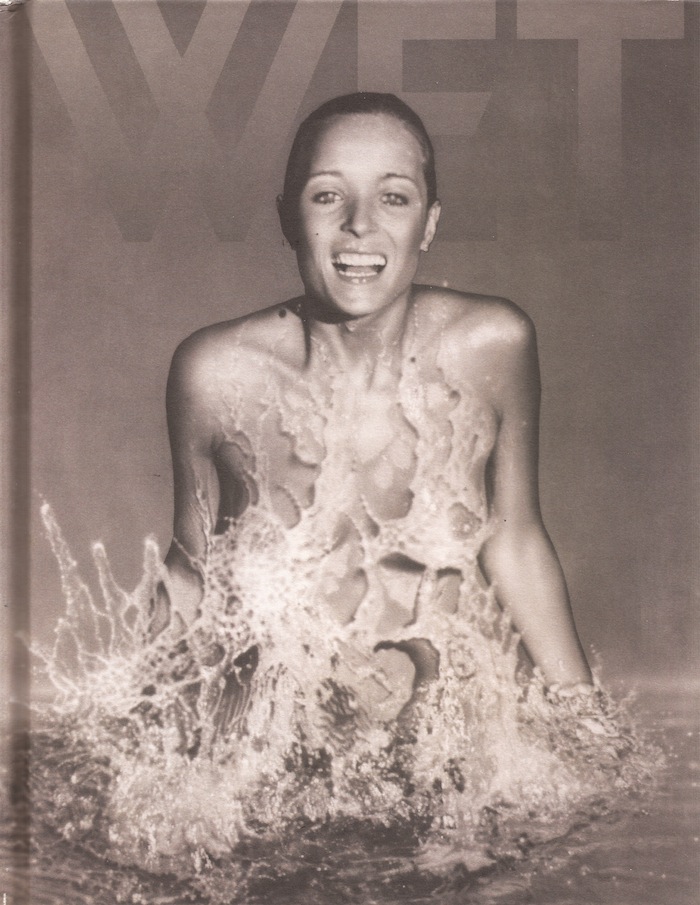
Cover of WET, Â July–August 1978 | photo: Guy FeryÂ
WET was a precursor, of sorts: “Gourmet Bathing” advocated a wholesome lifestyle and mostly-vegetarian diet. But for Koren, the epiphanic moments came during a number of extended visits to Japan. In 1994, inspired by the rituals of the tea ceremony, he wrote a book-length essay, Wabi-Sabi: for Artists, Designers, Poets & Philosophers, in which he celebrated the “beauty of things imperfect, impermanent, and incomplete.” It hit a nerve: it is a classic today, on a par, in terms of cultural impact, with In Praise of Shadows by Junichiro Tanizaki.
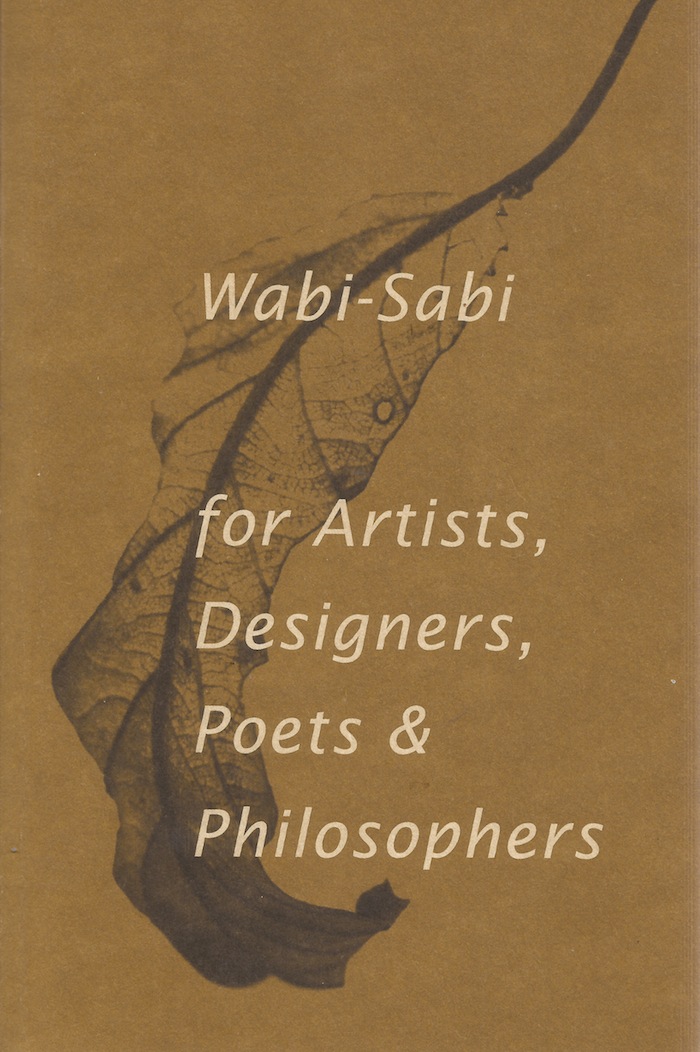 Cover of Wabi-Sabi for Artists, Designers, Poets & Philosophers
Koren’s latest book, Wabi-Sabi, Further Thoughts, published last month, is a sequel of sorts. In it, the author takes a more proactive stance against a culture in which possessions are mere commodities. No longer simply an aesthetic, wabi-sabi, a way of seeing that focuses on “things” rather than “objects,” is presented as a mental discipline. Â
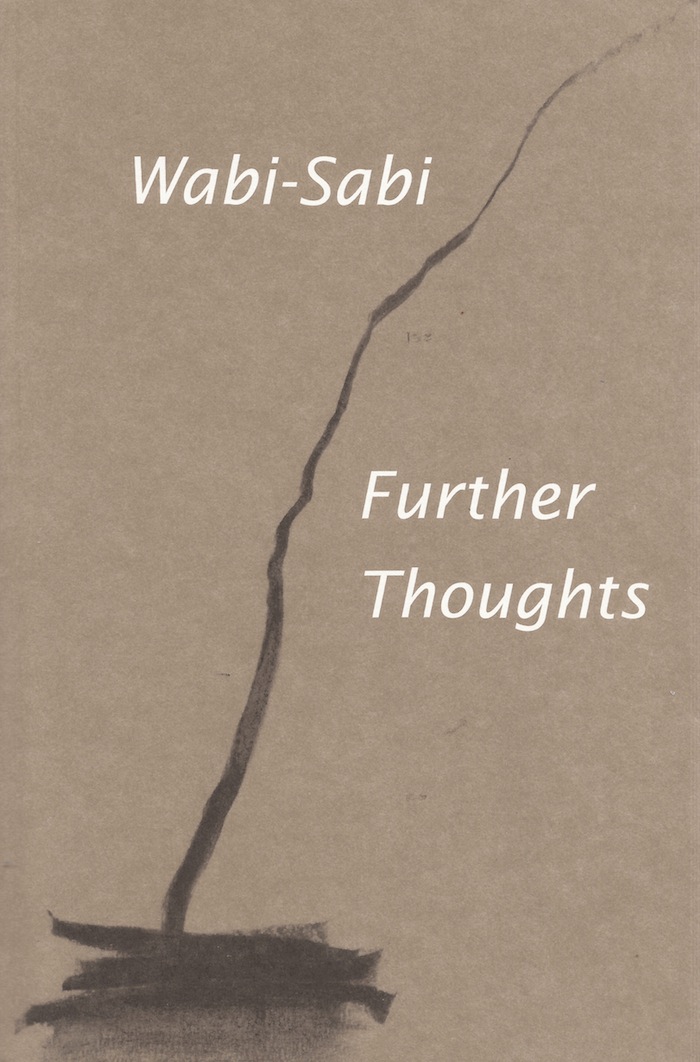
Cover of Wabi-Sabi, Further Thoughts

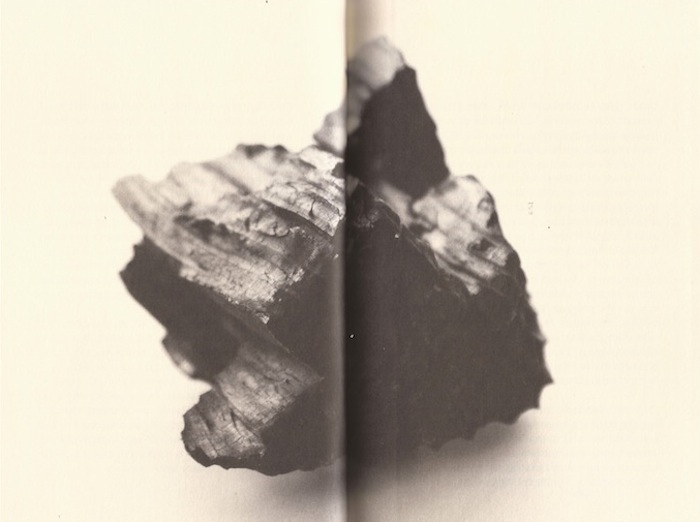
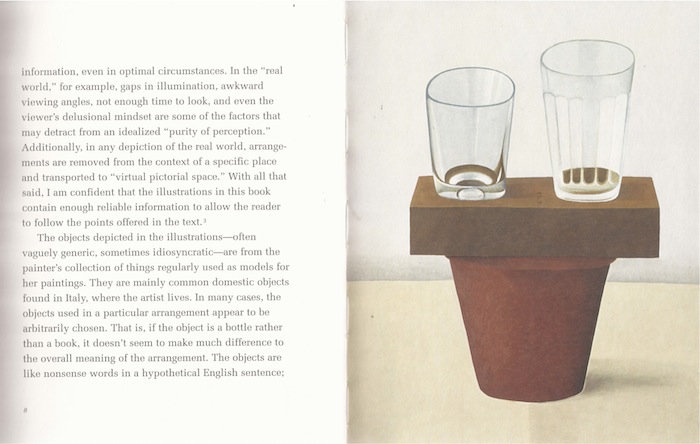
Spread from Further Thoughts
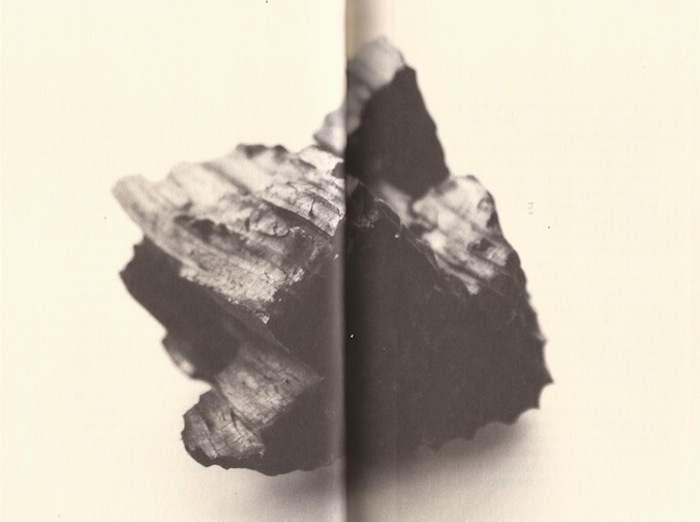  Spread from Further Thoughts
Observed
View all
Observed
Share on Social


By Véronique Vienne
Related Posts
Design Impact
Ellen McGirt|Books
No mandates, only opportunities: IBM’s Phil Gilbert on rethinking change
Education
The Editors|Books
Your October reading list: The Design of Horror | The Horror of Design

Innovation
Vicki Tan|Books
How can I design at a time like this?

AI Observer
John Maeda|Books
Should we teach AI to reflect human values, emotions, and intentions?
Related Posts
Design Impact
Ellen McGirt|Books
No mandates, only opportunities: IBM’s Phil Gilbert on rethinking change
Education
The Editors|Books
Your October reading list: The Design of Horror | The Horror of Design
Innovation
Vicki Tan|Books
How can I design at a time like this?
AI Observer
John Maeda|Books