


Ellen McGirt|Fresh Ink, Travelin' thru
September 19, 2025
Ashley Lukasik is designing a more meaningful way to convene
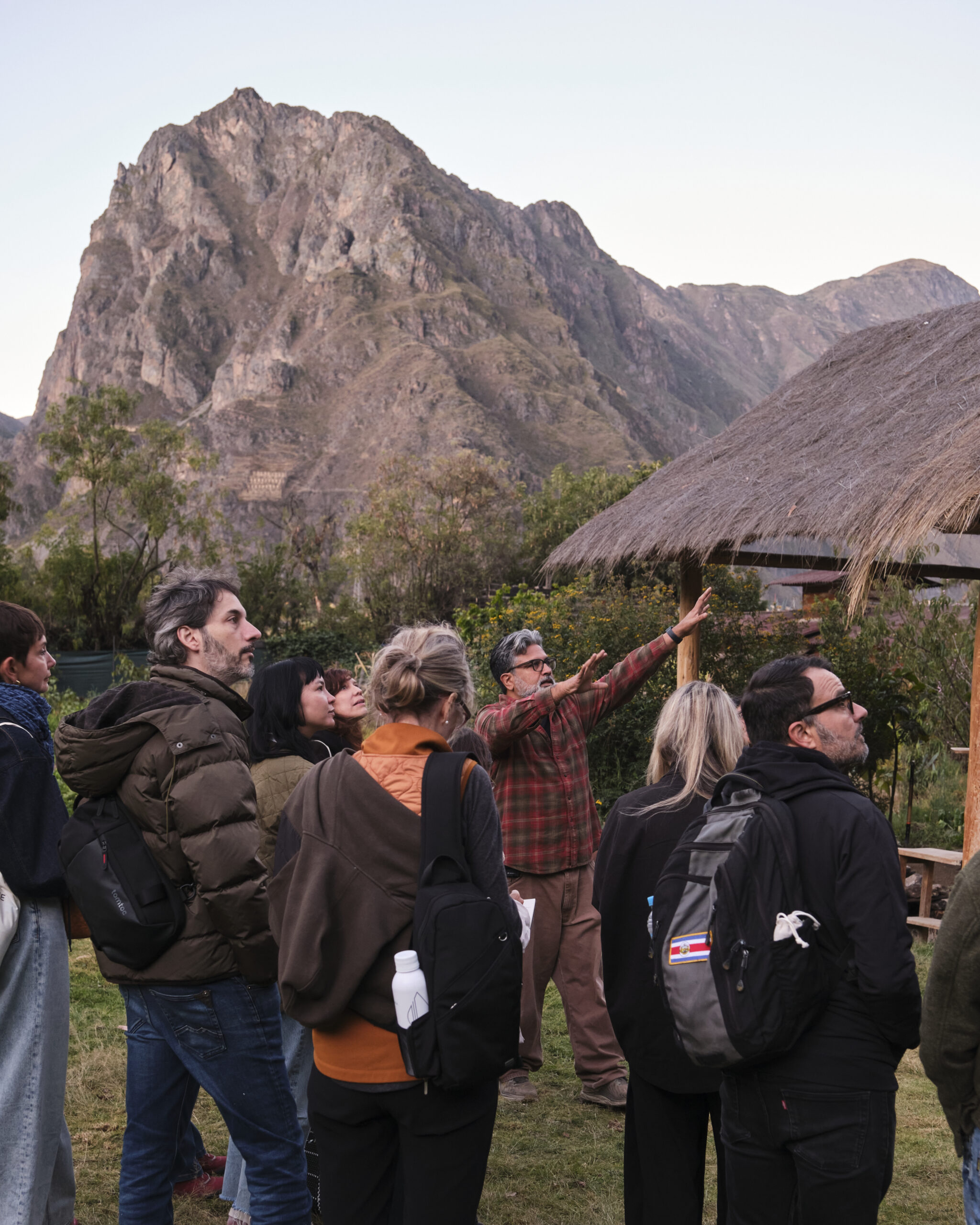
Introducing a 10-part series on design lessons learned from a multi-disciplinary immersion in Peru’s Sacred Valley
“The future does not need more speed; it needs more meaning.”
I first met Ashley Lukasik over Zoom in the spring of 2025, in advance of the Shapeshift Summit hosted by the Institute of Design in Chicago. (Our Design As podcast team captured the event.)
I was immediately dazzled.
Lukasik was sharing the details of the latest “immersion” she was planning for the conference — it was about how AI is already reshaping Chicago — and she described the way she’d learned to convene diverse practitioners for deep learning and co-creation in places as wide-ranging as Detroit, Mumbai, Hong Kong, Mexico City, New Orleans, and, as we explore in this series, Peru’s Sacred Valley. “What can we discover in and about the world?” she asks. “How can we restore wonder, reflection, and creativity in the search for solutions to the big problems we’re facing?”
In 10 years, Lukasik and her team, along with their partners, have curated over 20 immersions around the world with clients and participants representing organizations like Salesforce, Gensler, Google, the People’s Action Institute, and more. The goal is executive focus with a higher calling to address complex issues, such as the housing crisis in Los Angeles, global food system security, and the strategic integration of AI.
Lukasik began her design career at the Institute of Design in 2008, an eight-year period that coincided with a particularly affirming era for the field. “It was a time when big companies and organizations were diving into ‘design thinking,’ believing they could grow revenue by understanding new markets and customer needs.” But the former anthropology graduate student was also skeptical that the momentum would last. “It’s a powerful way of thinking, absolutely, but as the design consulting model became more corporatized, there was pressure to scale,” she says, which was effectively removing the humanity from human-centered design.
Less speed, more meaning, please.
Her firm, Murmur Ring, launched in 2020, another auspicious time to begin asking more of design and ourselves. I asked Lukasik if she, her team, partners, and immersion participants would be willing to share what they’ve learned over the years — the juice, if you will — from bringing people together in search of meaning.
It’s a topic that’s top of mind for the Design Observer audience, for whom connection, courage, and creativity are the tools of choice to address thorny problems — particularly now.
And we have questions:
- Pre-conditions: What’s necessary for an immersion experience to be truly transformational?
- Openness: How do you encourage busy individuals with looming responsibilities to resist the temptation to rush to find answers?
- Discovery: How do you respectfully lead people through experiences in impoverished communities, sacred places, or with Indigenous experts, and avoid being exploitative?
- Breakthrough: How do you handle reticence or resistance from participants?
- Muscle memory: How do you use what you’ve learned designing immersions in your day-to-day interactions with colleagues and community members?
- Humanity: What have you learned about designing for joy?
Over the next few weeks, Design Observer will publish a series of articles featuring insights from Murmur Ring’s most recent four-day immersion in Peru, along with guidance on applying these insights to any design or leadership practice, or for anyone seeking a more meaningful life.
Find the entries here as we publish them:
Arts + Culture
Ashley Lukasik|Travelin’ thru
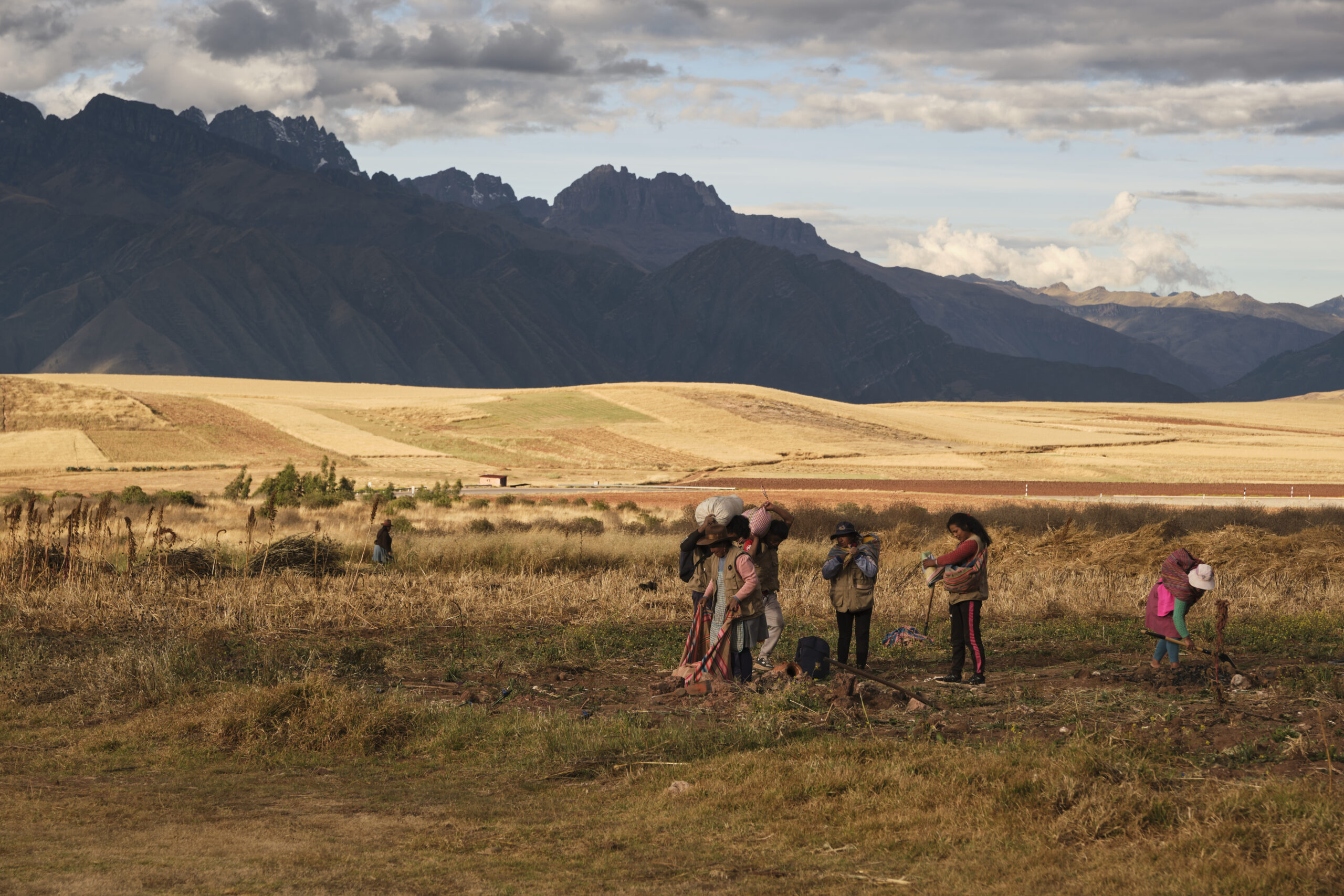
Foraging design futures in Peru
A four-day cultural immersion in Peru’s Sacred Valley fosters four principles for the future of design, informed by the region’s centuries-old Indigenous philosophies
Arts + Culture
Masha Safina|Travelin’ thru
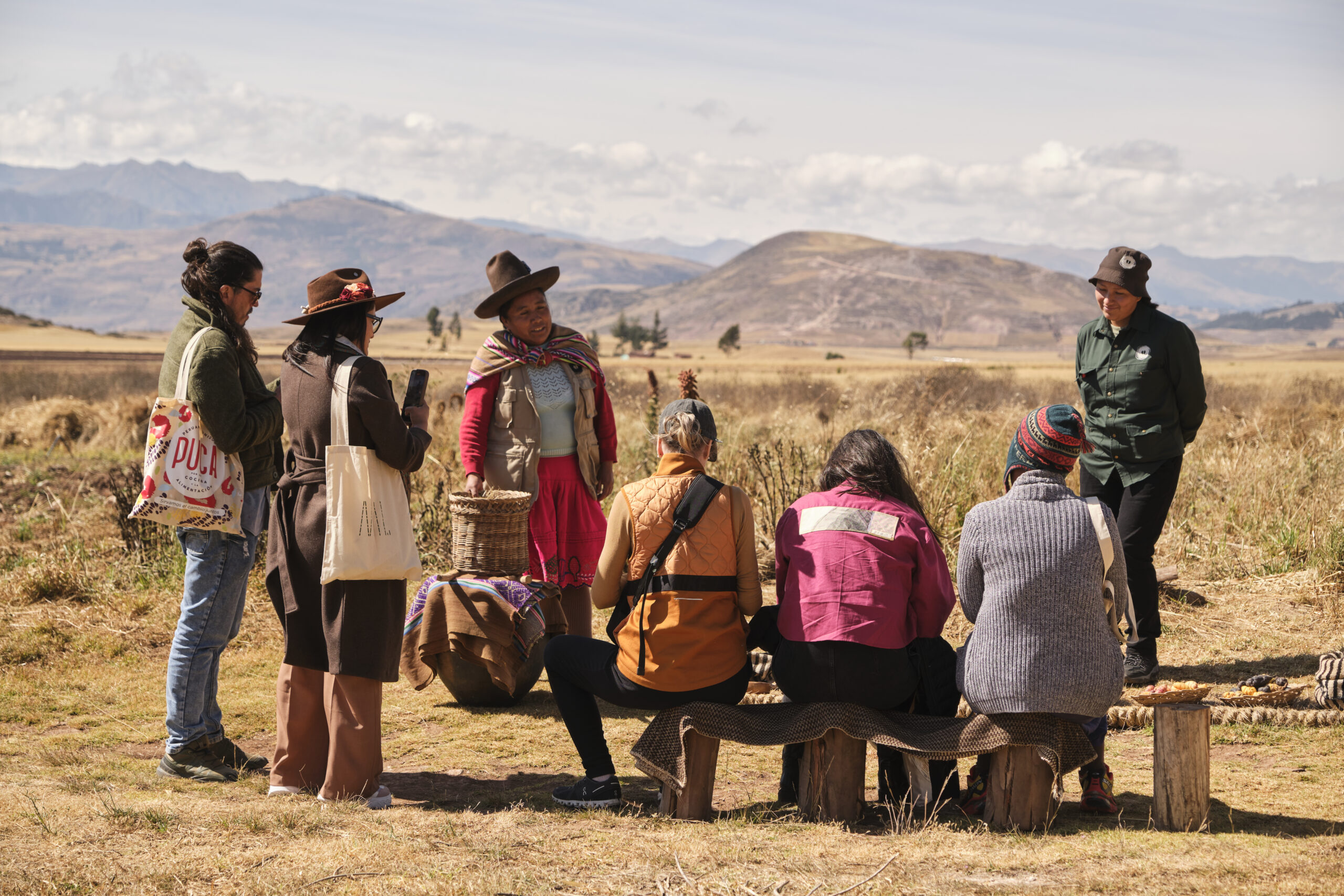
The layers of value creation
Our modern perception of value is shaped by scarcity. Alternative systems that center abundance and relational exchange offer a more hopeful future.
Observed
View all
Observed
Share on Social


By Ellen McGirt
 Ellen McGirt is an author, podcaster, speaker, community builder, and award-winning business journalist. She is the editor-in-chief of Design Observer, a media company that has maintained the same clear vision for more than two decades: to expand the definition of design in service of a better world. Ellen established the inclusive leadership beat at Fortune in 2016 with raceAhead, an award-winning newsletter on race, culture, and business. The Fortune, Time, Money, and Fast Company alumna has published over twenty magazine cover stories throughout her twenty-year career, exploring the people and ideas changing business for good. Ask her about fly fishing if you get the chance.
Related Posts
The Observatory Newsletter
Ellen McGirt|Fresh Ink
What happens when the social safety net disappears?

Architecture
Delaney Rebernik|Fresh Ink
The Design of Horror | The Horror of Design: a series
Arts + Culture
Masha Safina|Travelin' thru
The layers of value creation
Arts + Culture
Ashley Lukasik|Travelin' thru
Foraging design futures in Peru
Related Posts
The Observatory Newsletter
Ellen McGirt|Fresh Ink
What happens when the social safety net disappears?
Architecture
Delaney Rebernik|Fresh Ink
The Design of Horror | The Horror of Design: a series
Arts + Culture
Masha Safina|Travelin' thru
The layers of value creation
Arts + Culture
Ashley Lukasik|Travelin' thru