


August 31, 2016
Coney Island of The Mind
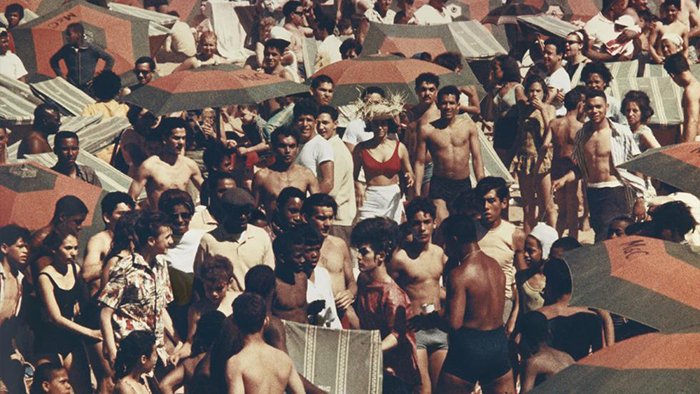
© Aaron Rose. Untitled, Coney Island, 1961-63
It’s late August and your shirt sticks to your back. 1961. Flesh wiggles and shakes, unsheathed: women’s arms and thighs, men’s bellies unjacketed. Fans whirr but give no relief. The only escape is….the beach.
Coney Island. A shuddering subway ride to sand and sky. Five square feet of freedom, a release from clothes and cares. Matrons set up chairs and gaze at the profusion of people, imperial. Kids dash to the water, squeal and splash. Mothers patrol the shore protectively. Young people couple like crabs.
© Aaron Rose. Untitled, Coney Island, 1961-63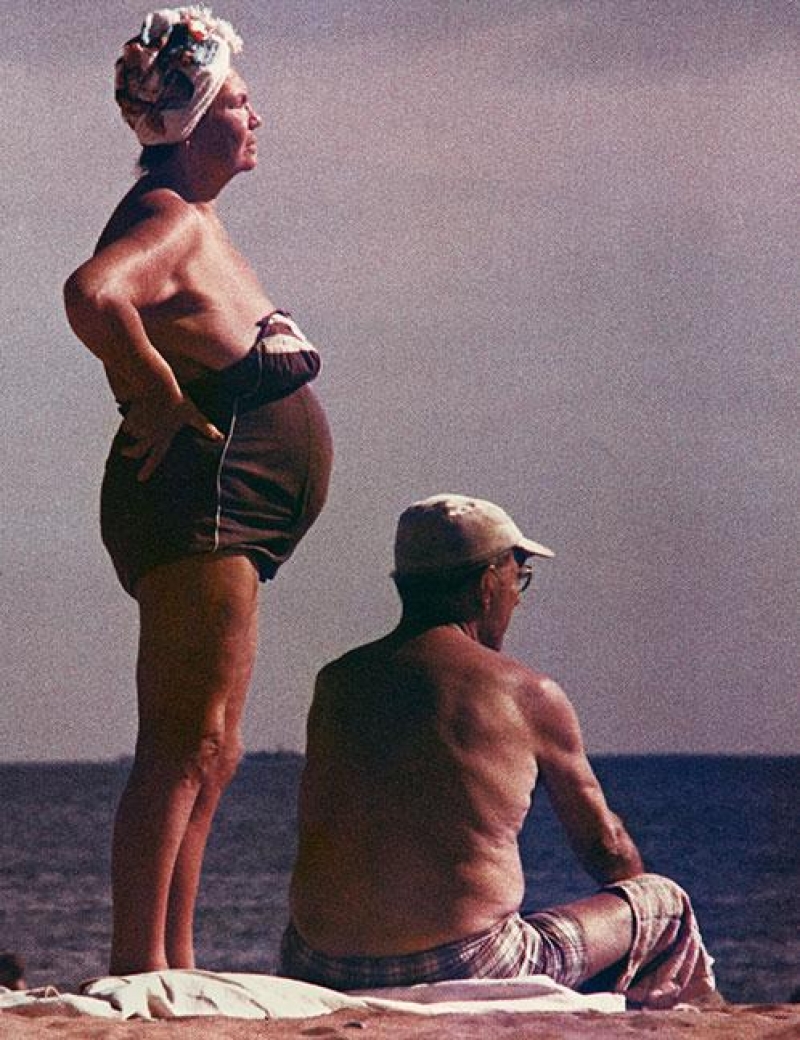
© Aaron Rose. Untitled, Coney Island, 1961-63
Aaron Rose caught all this, and more. “My language at the time was about getting to the gutsy part of humanity.” And he does, gloriously and unobtrusively. He is a voyeur of the everyday capturing heavy-set men splayed in the sand — bus conductors, janitors, salesmen — now children again, their arms making angel wings.
Rose stalked the beach from noon till dusk, looking for groupings, forms, and facial expressions in the simmering summer light. He’d spot his subject, ponder the approach, and then walk by at a distance, his camera at his side, pressing the shutter unobtrusively: he was a bow and arrow of skill and precision years before the run-and-gun shooting of the digital age.
He used a Leica 35mm camera with either a wide-angle or a telephoto lens. He pushed the ASA of his film from 160 to over 1000 in order to gain deep depth of field and achieve his distinctively grainy color.
© Aaron Rose. Untitled, Coney Island, 1961-63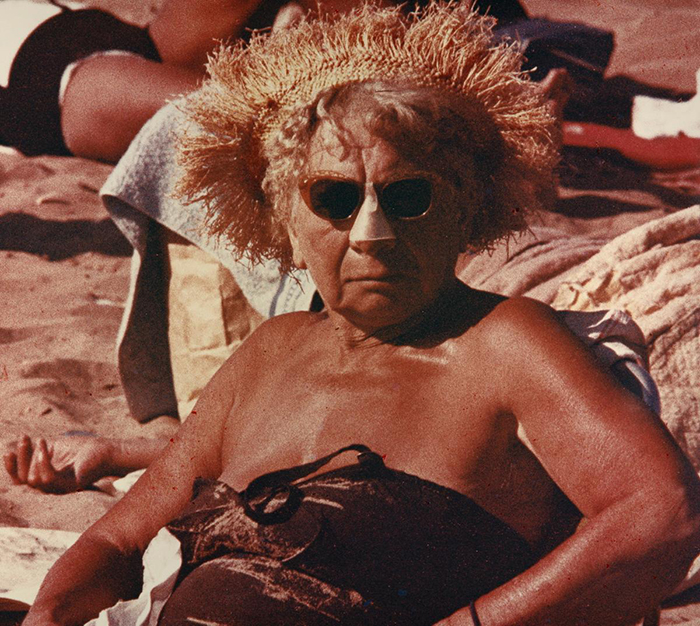
© Aaron Rose. Untitled, Coney Island, 1961-63
These photographs were unseen until a recent exhibition at the Museum of the City of New York. They are affecting and humorous (the woman with the sun guard on her nose stares with the blank seriousness of an ape), visually sophisticated, and often sweet, especially the couples in intimate rapture, deliciously entwined in open sight.
These photographs are also documents from a technological prelapsarian era, without cell phones, ipads, or even plastic coolers: all the products we now pack to the beach and feel that we can’t do without.
Now 75 or 76 (Rose is an orphan and doesn’t know his exact age) he is an unusual artist in this era of art market commodification and banker’s bling where money dictates who is in favor and who is out.
Rose has hand printed over 25,000 images. Each one is unique. The majority of his photographs have never been seen by the public, except for his series about the destruction of Penn Station that was shown the Museum of New York in 2002. A slender book of his more abstract images has been published.
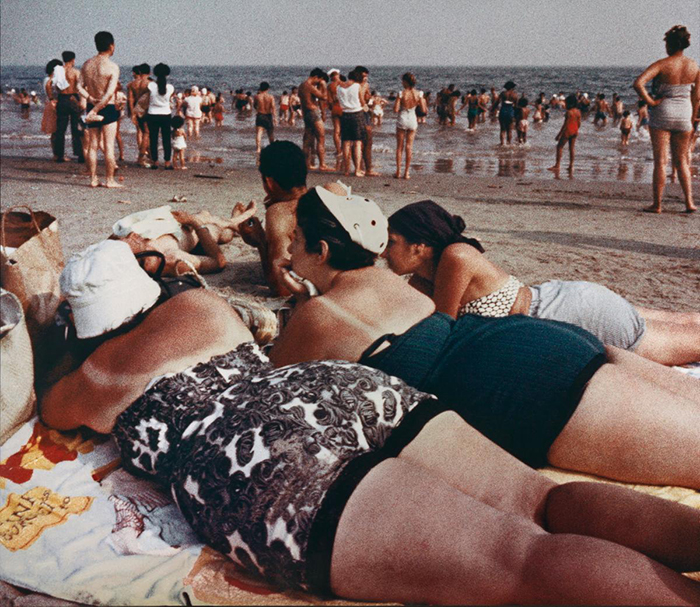
© Aaron Rose. Untitled, Coney Island, 1961-63
He doesn’t promote himself — at great personal cost. (By his account his second wife, who he is separated from, couldn’t understand his resistance to the commercial world). “I do photography because I love it”, he has said, “I wasn’t working for the work to be shown or seen, I was working for the pleasure of doing the work itself.”
His pleasure is now also ours, in all its fleshy, human glory.
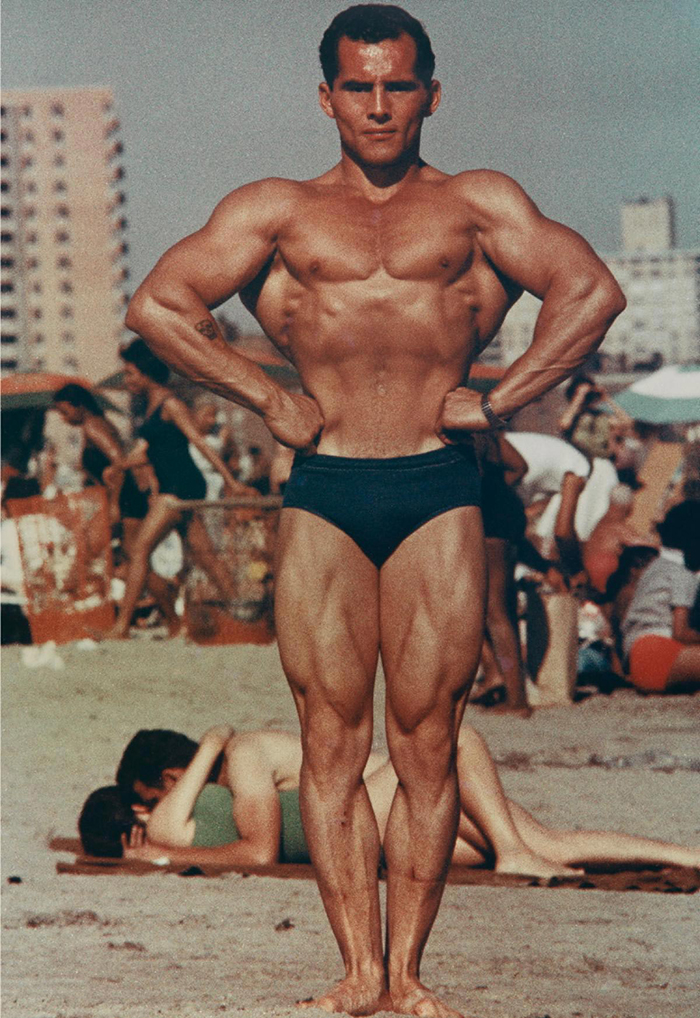
© Aaron Rose. Untitled, Coney Island, 1961-63
With thanks to: “Interview: Aaron Rose’s Coney Island “ by Jeannette Moses, American Photo, May 29, 2014. “Museum Debut for a Man Who Never Sought One but Filed Away his Pictures, Each Printed Only Once”, by Paul Goldberger, The New York Times, March 17, 1997.
Observed
View all
Observed
Share on Social


By Adam Harrison Levy
 Adam specializes in the art of the interview. For the BBC he has interviewed a range of actors, writers, and musicians. He has produced/directed two films and his writing has appeared in The Guardian and Design Observer. He was a Poynter Fellow at Yale University and has taught at Wesleyan University. He currently teaches at the School of Visual Arts in New York.
Related Posts
Business
Kim Devall|Essays
The most disruptive thing a brand can do is be human
AI Observer
Lee Moreau|Critique
The Wizards of AI are sad and lonely men
Business
Louisa Eunice|Essays
The afterlife of souvenirs: what survives between culture and commerce?
Architecture
Bruce Miller|Essays
A haunting on the prairie
Related Posts
Business
Kim Devall|Essays
The most disruptive thing a brand can do is be human
AI Observer
Lee Moreau|Critique
The Wizards of AI are sad and lonely men
Business
Louisa Eunice|Essays
The afterlife of souvenirs: what survives between culture and commerce?
Architecture
Bruce Miller|Essays