


September 15, 2025
“Design addresses itself to the need.”
Design is for people. Here’s what you told us.
This was the response industrial designer, architect, and filmmaker Charles Eames gave in 1972 when asked, rather impertinently, to whom design addresses itself. His interlocutor gave him some interesting options: “To the greatest number? To thespecialists or the enlightened amateur? To a privileged social class?”
His answer still hits the mark.*
We recently conducted a survey, asking Design Observer readers and community members what they needed from us and the world.
Your behavior suggests that, in large part, we’re also hitting the mark.
Most respondents visit our site or listen to a podcast regularly, and they’ve been with us for a while: although we enjoy a steady stream of newcomers to our work, more than half of participants have been engaging with us for six years or more, and about 25% for more than a decade.
We also got high marks for our eclectic approach, which goes beyond surface-level design coverage to explore broader impacts on society, sustainability, and equity. Similarly, people appreciate our diverse yet interdependent coverage areas, and being able to spend time with the people and ideas that are shaping the future.
Here’s a smattering of what you value most:
- “Always a very learned take on the design world.”
- “Connects readers to leadership and innovation in design with real stories, fresh insights, and expert advice on topics like equity, sustainability, and adapting to fast-paced change.”
- “I appreciate the broader perspectives on design and its use/application/impact in the world.”
- “It’s thoughtful, non-superficial, and non-hype.”
- “I find unique perspectives and collections of ideas here. I can always expect something fun, interesting, and challenging.”
There are some things we can do more and better, too.
You asked for more authentic stories of design struggles and failures, including unconventional career paths and how designers have overcome challenges in what is increasingly seen as a “hostile” field for growth. There’s room for more coverage, as one respondent put it, of “people with gritty firsthand knowledge of the complicated, shapeshifting, hard-to-pin-down field of design — and how they’ve wrestled with it, grown from it, and made peace with it.”
You also asked for more profiles, more video content, more career-focused content, and, in a delightful contrast to the worrisome job market, less pessimistic framing. “The world is wealthier, healthier, and safer than it has ever been in human history,” one of you said.
While you enjoy our social content, you want to be inspired when you encounter us in the wilds. “I feel DO’s presence, on LinkedIn in particular, could reflect more of the incredible writing and insights that I find on the full version of the website,” said a respondent.
Also, you want to get together, in real life and online. We hear you. We got you.
In the spirit of addressing your needs, we joyfully receive this feedback.
Although Eames was long gone when Design Observer was born 22 years ago (he died in 1978), his philosophy — wholly intertwined with that of his equally visionary wife and partner, Ray — still looms large.
Our team is hard at work enhancing our editorial efforts to make sure we are rewarding your time and attention with the information, inspiration, and joy you deserve. (And a party, we haven’t forgotten.)
So please, stay tuned.
Charles Eames also famously said, “details are not the details. They make the design. And in the end, we are really designing for people.”
In the end, we work, think, and design for you. Thank you for letting us be part of your lives.
With excitement for what’s next,
Ellen McGirt
Ellen@designobservercombigscoots-stagingcom-cn.b.tempurl.cc
LinkedIn
Instagram
Threads
This edition of The Observatory was edited by Delaney Rebernik and Rachel Paese.
*This quote from Charles Eames came from a remarkable short film called Design Q&A, produced by the Eames Office with support from their manufacturing partner, Herman Miller. It offers a concise but moving snapshot of the Eames’ entire philosophy.
Design As is Back
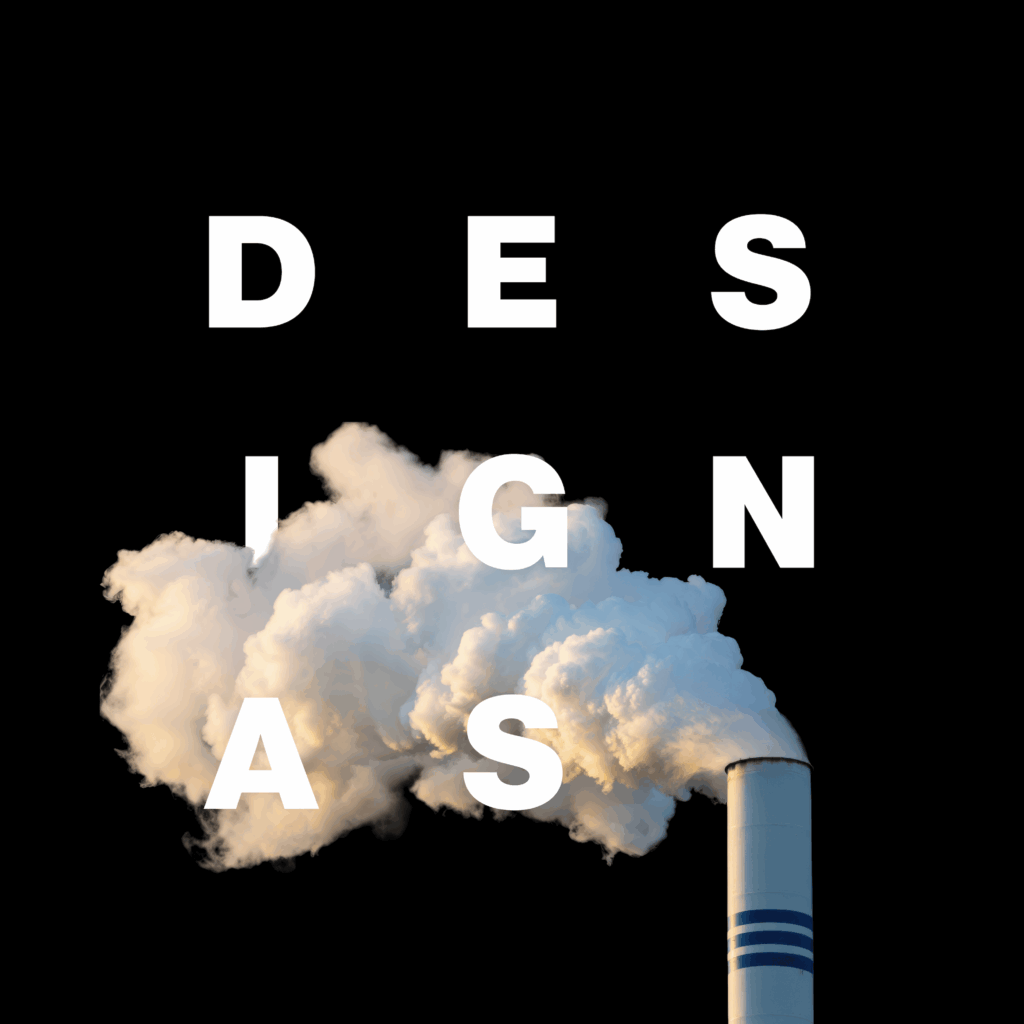
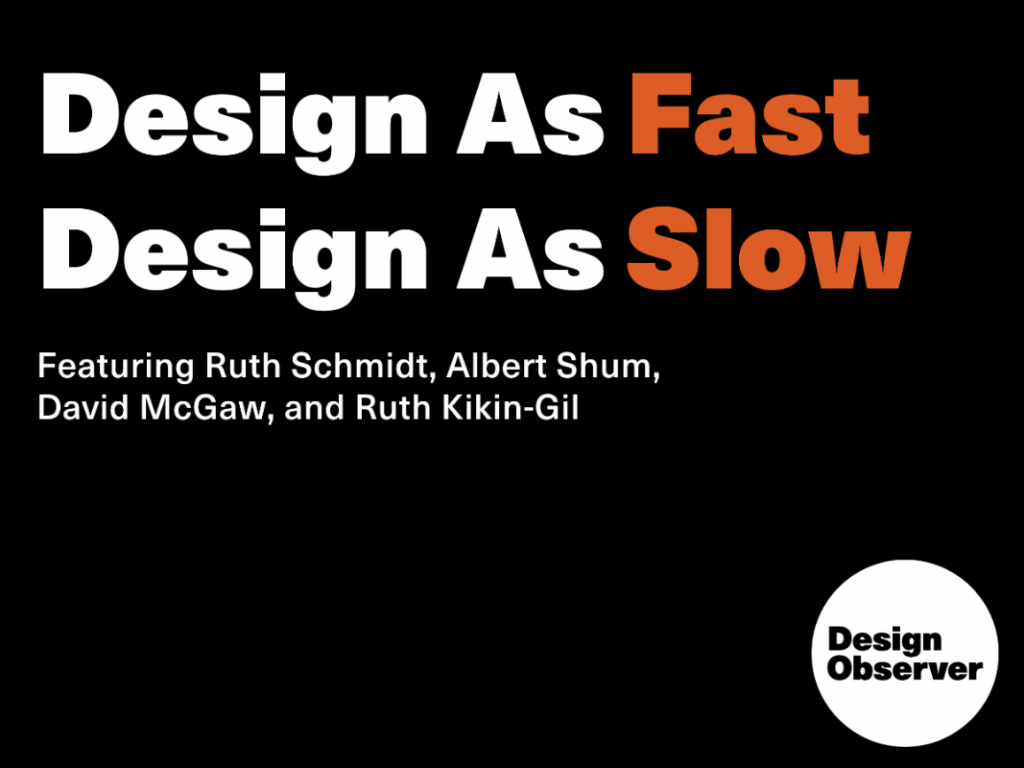
AI moves fast. But should design always keep pace? In the latest Design As episode, “Design As Fast | Design As Slow,” Lee Moreau talks with leaders from DeepMind, Microsoft, and the Institute of Design about when to accelerate and when to hit the brakes.
Design Observer covers the long form
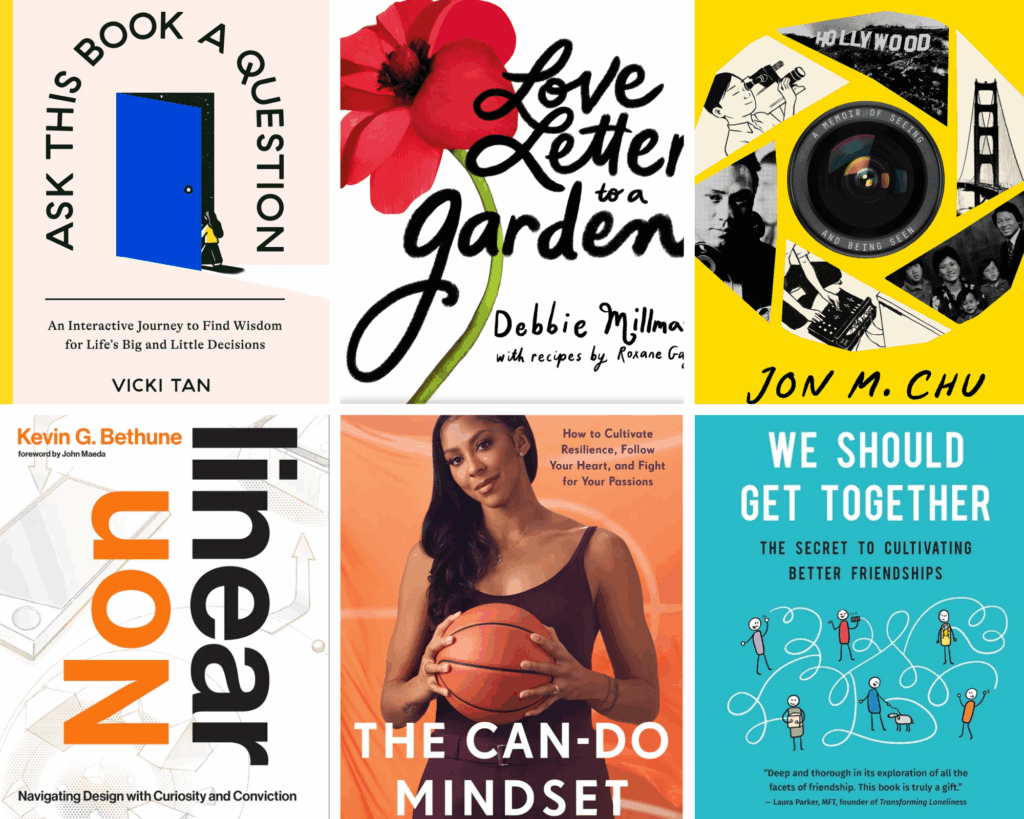
The designers, leaders, and thinkers who shape conversations at Design Observer don’t just create — they chronicle, analyze, and inspire through art, film, and the written word. We’ll be expanding our coverage of the books and other long-form works that delight and inform across all our platforms in the coming months.
For now, we’re publishing an ongoing series of curated reading lists, some from Design Observer editors, others by subject matter experts we admire. A community of makers thrives on ideas; let’s read and thrive and build together.
For this inaugural reading list, “The best books for designing a better life,” seven outstanding designers get personal, using research, memoir, and choose-your-own-adventure style prompts to help readers become happier, more authentic and connected versions of themselves.
If you shop at our Bookshop.org store, proceeds from book sales support local booksellers and our editorial programs.
Find more about the list here, and happy reading!
Some Fine Print
Here’s a sampling of our latest and greatest from the Design Observer editorial and contributor network.
About face: ‘A Different Man’ makeup artist Mike Marino on transforming pretty boys and surfacing dualities. Congratulations to Mike Marino on his Emmy win last night for The Penguin. Back in February, DO spoke with Marino about his metamorphic craft. Interview by Alexis Haut.
Authoritarian by design. The “America by Design” initiative proposes that one man alone can define “design” for the country. By Ellen McGirt.
GenAI art is enlivening the search for Mexico’s disappeared.Families who’ve lost loved ones to the country’s decades-long Drug War are turning to an unlikely source to reenergize search efforts: ‘Ghiblified’ AI art. By Chantal Flores.
Curious Clicks
Shoutout to these archival gems you’ve somehow resurfaced and been reading en masse lately. (Srsly how? And ty.)
In defense of inconvenience. By Bruce Willen.
Personal space. By Alan Rapp.
The Most Viewed Modernist Mural in the World? Mary Blair at Disney’s Contemporary Resort. By Sean Adams.
On My Screen: Shooting the Past. By Rick Poynor.
Observed
What are you observing? Tell us.
My God, it’s full of stars. This year’s winners and finalists in the Royal Observatory Greenwich’s annual astronomy competition. Enjoy. (Bonus: why looking at our shared night sky is so important. “Everyone has the right to know the universe.”)
Gonzalo Bustamante is the new senior VP of design at Starwood Hotels. He was previously studio chief at Rockwell Group; his portfolio includes work on the Spectacle at MGM Cotai and the Kodak Theatre in Los Angeles.
The Met has a new façade, courtesy of Mississippi Choctaw / Cherokee artist Jeffrey Gibson. His moving installation, “The Animal That Therefore I Am,” depicts a deer, coyote, hawk, and squirrel, which are meaningful in certain Indigenous cultures. Gibson explains his work in this extraordinary short video. “I began working with ethnographic collections as an intern,” he says.
Helsinki-based JKMM has won the competition for Finland’s new Museum of Architecture and Design. Now that the year-long contest is over, let the build begin. Here’s what to expect.
Following a banner year of fundraising, London’s National Gallery is set to build an expansive new wing. According to the gallery’s director, the funds comprise “the largest-ever known cash donations to any cultural institution, not just in Britain, but globally.” An international architectural competition for the extension will launch this week.
Who wants a really thin iPhone? We’re about to find out.
Banksy’s latest mural has been scrubbed from the exterior wall of the Royal Courts of Justice, accidentally making it an even more powerful statement.
The other AI and design story: protein. “Protein design is undergoing a revolution driven by artificial intelligence (AI), transforming how we engineer proteins for applications in drug discovery, biotechnology and synthetic biology.” Click through for seven toolkits that offer practical advice for including AI tools into technical workflows.
The demand for luxury is down sharply. (Understandably, really.) Will promises of fresh faces and new lines help revive the sputtering fortunes of otherwise storied fashion brands? “This isn’t just about people being tired of the way fashion looks or the kind of designs a designer was showing us, but maybe more about the wider context in which those designs exist,” says The Business of Fashion editor Robert Williams.
“Convergence,” mounted by the David Collins Foundation at the London Design Festival 2025, begins with a provocative question: “Can an object lend permanence to an otherwise fleeting human experience?”
The Anthropic settlement is rejected by a federal judge. Anthropic agreed to pay $1.5 billion to a group of authors and publishers after a judge ruled it had illegally downloaded and stored millions of copyrighted books. But the federal judge overseeing the case felt “misled,” and expressed concerns that the class lawyers struck a deal that will be forced “down the throat of authors.”
Axios shares a compelling visual showing select publisher deals and lawsuits with AI companies. (ProRata has been in deal mode, evidently.)
Students at Pasadena’s ArtCenter College have shared their ideas for beautiful, functional, and fire-resistant homes reimagined for the fire-devastated community of nearby Altadena. The students studied the history of the community, researching the stories of homes, lifestyles, and the treasures that were lost. “It’s about really keeping an eye on who we’re building for,” said one professor. “At its best, rebuilding is going to be a really idiosyncratic, individual process.”
Jared Erondu has been tapped to lead design at the software development company Span.app. The angel investor and advisor was formerly the SCP of Design and Marketing at Lattice, a people management software company. “[T]he chance to help define how design can elevate this new wave of AI-powered tooling — is incredibly energizing,” he says.
In memoriam: Stuart Craig, the multi-Oscar-winning production designer on The English Patient and the Harry Potter films, has died after living with Parkinson’s disease for 14 years. He was 83. “Stuart Craig was one of the greatest production designers to work in film,” says David Heyman, producer of the Harry Potter series. “He was also the kindest, most generous, and supportive man.”
“The @superfriendlyco Experiment Comes to an End.” Founder-turned-board advisor Dan Mall on the roller coaster ride of his digital agency. “I’ve now been on many sides: starting, ending, selling, and watching a second ending,” he posted on X. “Ask me anything.”
Arthur Ashe to go under the knife. Tennis venue Arthur Ashe Stadium in Queens, New York, is set to undergo “major surgery” by architect Rossetti and structural engineer WSP now that the 2025 US Open has concluded. The construction will take place between three US Opens; expect a redesigned concourse, more stadium seating, and more luxury suites from which to get booed.
Halli Þorleifsson has relaunched Ueno, the design company he sold to Twitter four years ago. More about his work and design philosophy here. #DO20
Job Board
Business Development Director at Michael Maltzan Architecture, Inc.
Camping Product Industrial Designer II at Exxel Outdoors.
Visual Storyteller, Graphic & Motion Designer at Gap International.
Senior UX Designer — DGX Cloud at NVIDIA.
Graphic & CMF Designer at Trek.
Web Developer at DeltaV Digital.
Packaging Design Intern — Summer 2026 at Shorr Packaging.
Industrial Designer I at HNI Workplace Furnishings.
Retail Designer – Industrial Color Extended at CoCreativ.
Intern, Industrial Design at Ammunition.
View all jobs here.
Yesterday and Today
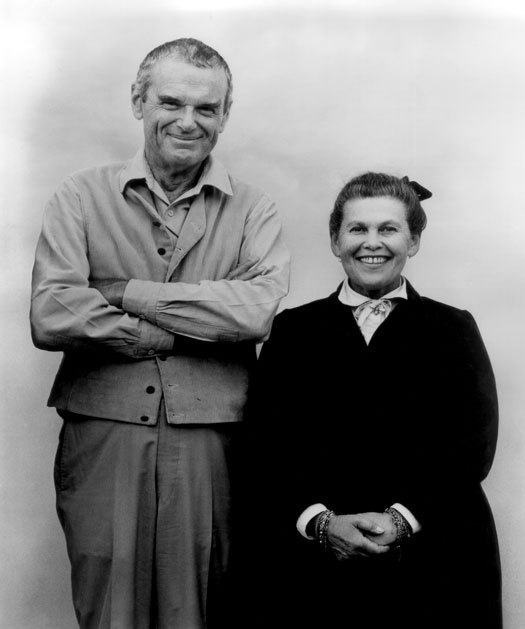
Charles Eames’s philosophy that “design addresses itself to the need” has long shaped our observations.
“That’s one of the things Charles Eames did best: take photographs and use the process of design to explain other processes, including computers, the history of science, the history of America, even numbers,” architecture critic Alexandra Lange wrote for Design Observer in 2011.
— Ellen McGirt, Editor-in-chief
This is the web version of The Observatory, our (now weekly) dispatch from the editors and contributors at Design Observer. Want it in your inbox? Sign up here. While you’re at it, come say hi on YouTube, Reddit, or Bluesky — and don’t miss the latest gigs on our Job Board.
Observed
View all
Observed
Share on Social


By Ellen McGirt
 Ellen McGirt is an author, podcaster, speaker, community builder, and award-winning business journalist. She is the editor-in-chief of Design Observer, a media company that has maintained the same clear vision for more than two decades: to expand the definition of design in service of a better world. Ellen established the inclusive leadership beat at Fortune in 2016 with raceAhead, an award-winning newsletter on race, culture, and business. The Fortune, Time, Money, and Fast Company alumna has published over twenty magazine cover stories throughout her twenty-year career, exploring the people and ideas changing business for good. Ask her about fly fishing if you get the chance.
Related Posts
The Observatory Newsletter
Ellen McGirt|New Ideas
Gen-AI is a threat to human thinking

AI Observer
Dave Snyder|Analysis
The identity industrialists
The Observatory Newsletter
Ellen McGirt
Lessons in connoisseurship from the Golden Globes
AI Observer
David Z. Morris|Analysis
“Suddenly everyone’s life got a lot more similar”: AI isn’t just imitating creativity, it’s homogenizing thinking
Related Posts
The Observatory Newsletter
Ellen McGirt|New Ideas
Gen-AI is a threat to human thinking
AI Observer
Dave Snyder|Analysis
The identity industrialists
The Observatory Newsletter
Ellen McGirt
Lessons in connoisseurship from the Golden Globes
AI Observer
David Z. Morris|Analysis