



June 17, 2010
Diana Center & Architectural Bull—-

Rave reviews (Architect, Metropolis, previously New York) are rolling in for Weiss/Manfredi’s Diana Center at Barnard College. I toured this semester with my NYU students (who were as blown away by the grass and campus as they were by the building, poor things) and thought it was a fine piece of work. But every review has praised two things that I quickly dismissed as the most basic architectural bullshit: the copper glass and the street-level transparency.

The copper glass, from Architect:
It does not match the brick. It doesn’t even refer to the brick. It is a completely different color, a pink-tinged copper, that is a pleasant change from all the icy-hued glass put up as part of the stampede, but is hardly contextual. To pretend it “goes with” the historic architecture requires closing the eyes, or looking only at photos of the building online. As one of my students suggested, it might have looked more like brick if the glass varied in tone, from tan to copper to blush to barn. It’s not mirrored, but it is flat and artificial.

Second, Columbia and Barnard’s new openness, a.k.a. the street level transparency. Yes, you can see into the building at ground level, intermittently, as the frits recede and clear glass prevails. But you can’t get into the building. The main entrance is through Barnard’s main gate, past the SOM library, and up some stairs, a full half-circle. The service entrance is behind a gate a block north on Broadway.
The facade is just as much of a wall as the rusticated base of Columbia’s campus across the street, though it acts as more of a tease. As with the designs for the U.S. Embassy in London, it is time we stopped acting like glass alone = openness. I understand the security issues, let’s just own up to them architecturally. In this case, the Diana Center actually feels more bulletproof than stone.

The part I liked best about the building was this view, from the cafe and sidelong terrace, up the trays of gallery space and offices to the top floor. This shows the architects working hard to get sectional drama into a long skinny shoebox site, and it is drama that works. I am not as sure about the jutting boxes on the backside, which are pretty hard to see from most points on campus because the buildings are so close to one another. I wonder about the longevity of all the candy-colored trendy furniture, installed to give the bare-bones interiors a little pop. I also wonder if it might not have been wise to spend less on the glass and cantilevers, and a little more on the interior finishes—there’s an obvious economic divide.
Observed
View all
Observed
Share on Social


By Alexandra Lange
 Alexandra Lange is an architecture critic and author, and the 2025 Pulitzer Prize winner for Criticism, awarded for her work as a contributing writer for Bloomberg CityLab. She is currently the architecture critic for Curbed and has written extensively for Design Observer, Architect, New York Magazine, and The New York Times. Lange holds a PhD in 20th-century architecture history from New York University. Her writing often explores the intersection of architecture, urban planning, and design, with a focus on how the built environment shapes everyday life. She is also a recipient of the Steven Heller Prize for Cultural Commentary from AIGA, an honor she shares with Design Observer’s Editor-in-Chief, Ellen McGirt.
Related Posts

Business
Kim Devall|Essays
The most disruptive thing a brand can do is be human

AI Observer
Lee Moreau|Critique
The Wizards of AI are sad and lonely men

Business
Louisa Eunice|Essays
The afterlife of souvenirs: what survives between culture and commerce?
Architecture
Bruce Miller|Essays
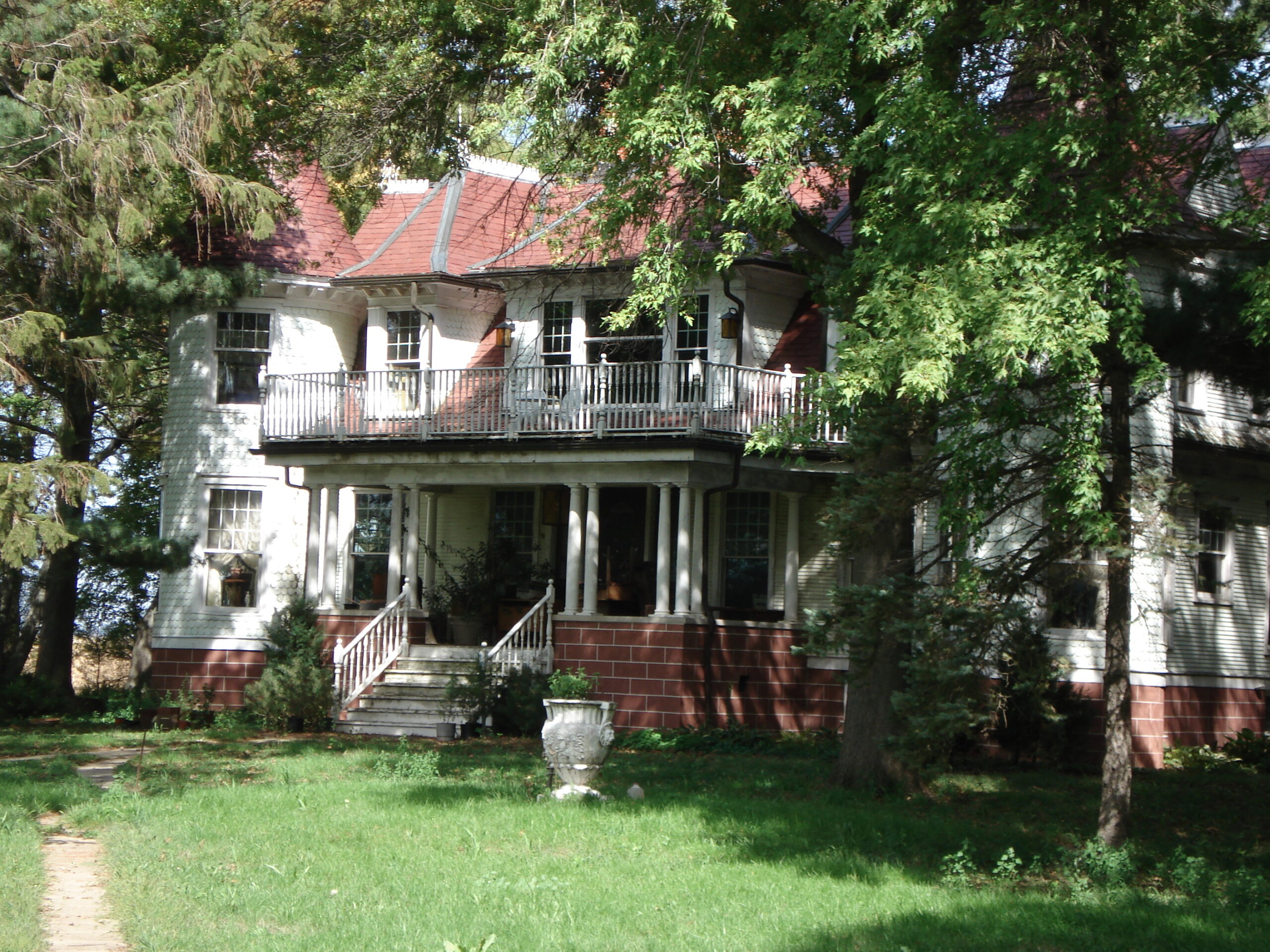
A haunting on the prairie
Related Posts
Business
Kim Devall|Essays
The most disruptive thing a brand can do is be human
AI Observer
Lee Moreau|Critique
The Wizards of AI are sad and lonely men
Business
Louisa Eunice|Essays
The afterlife of souvenirs: what survives between culture and commerce?
Architecture
Bruce Miller|Essays