


January 14, 2015
Following Suit
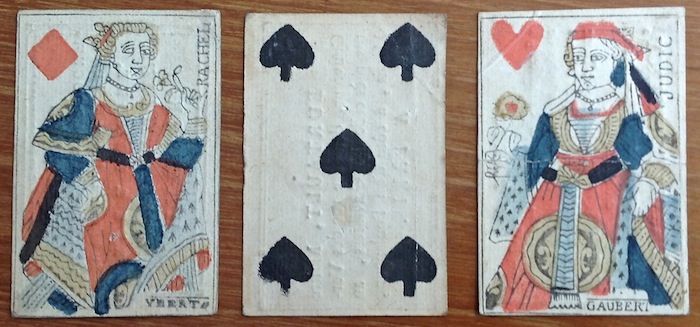
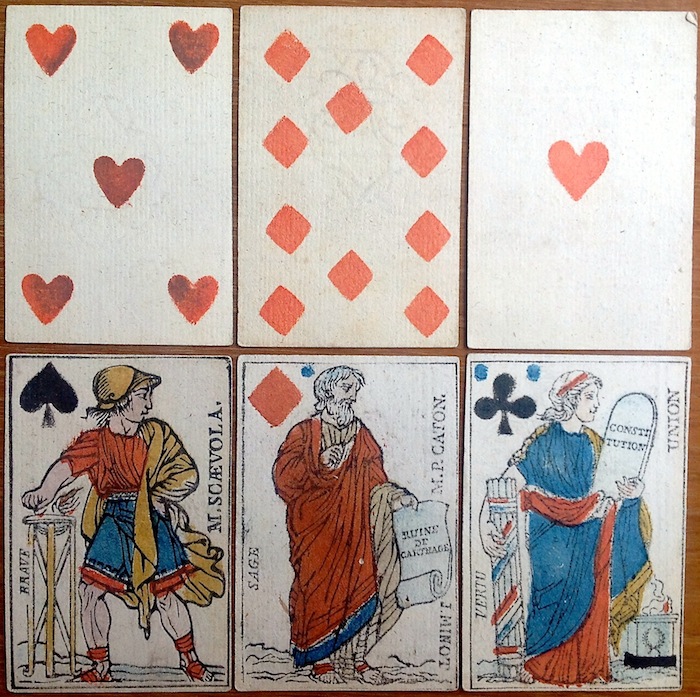
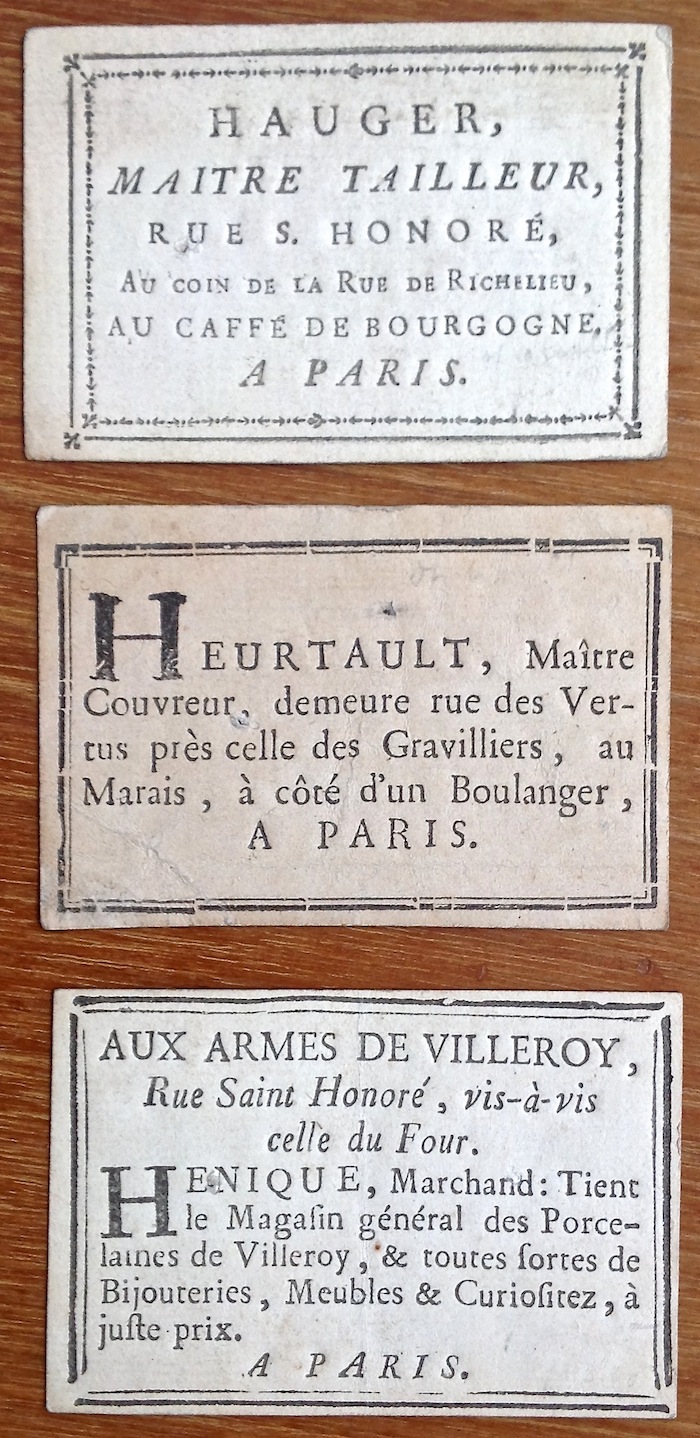 Cards from France, late eighteenth century—reused as business cards: for a tailor, a roofer, and a merchant of general goods.
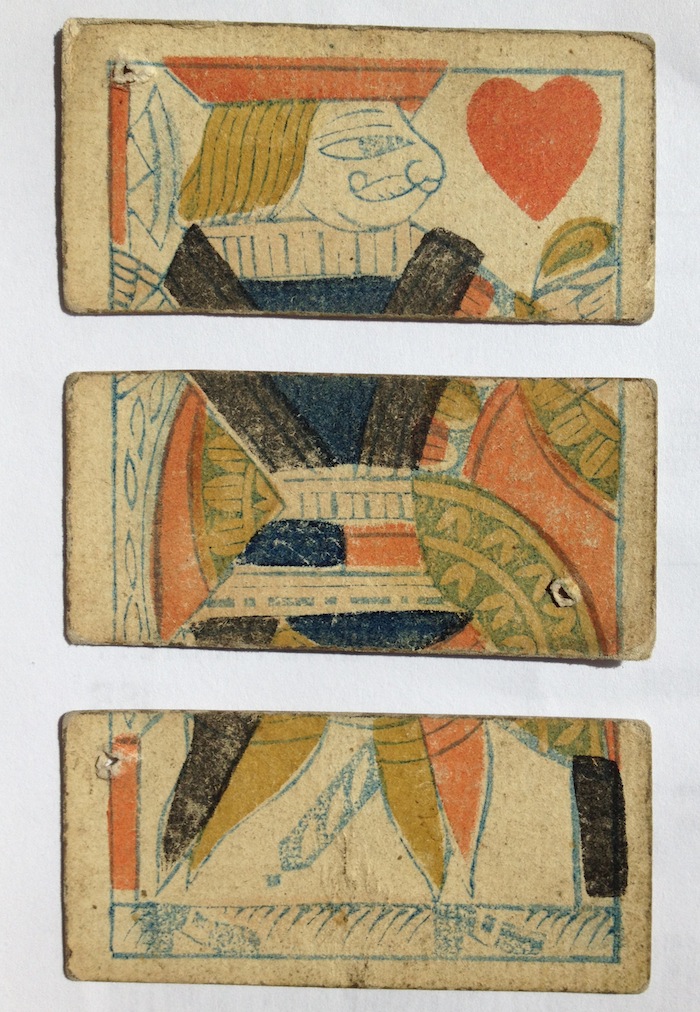
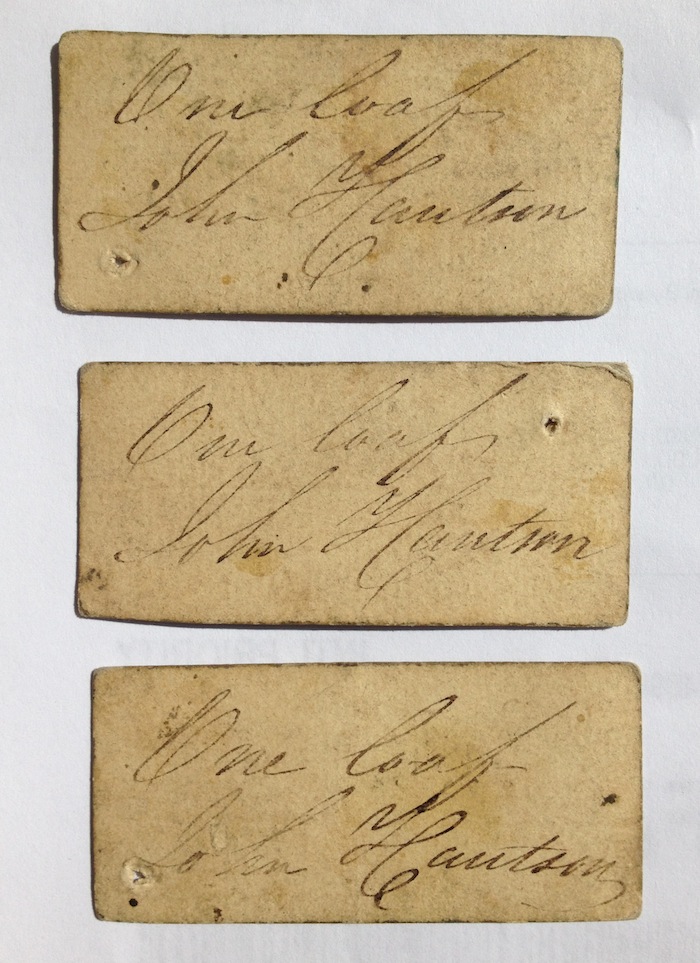
A Jack of Hearts from Canada, mid-nineteenth century, cut into three pieces, each repurposed as scrip for a loaf of bread.
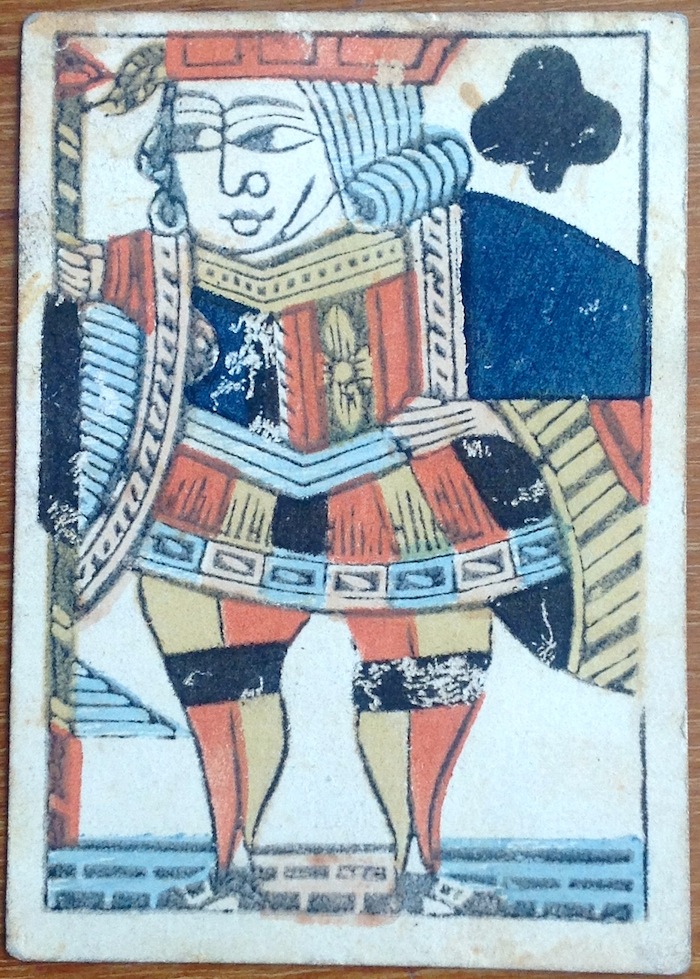
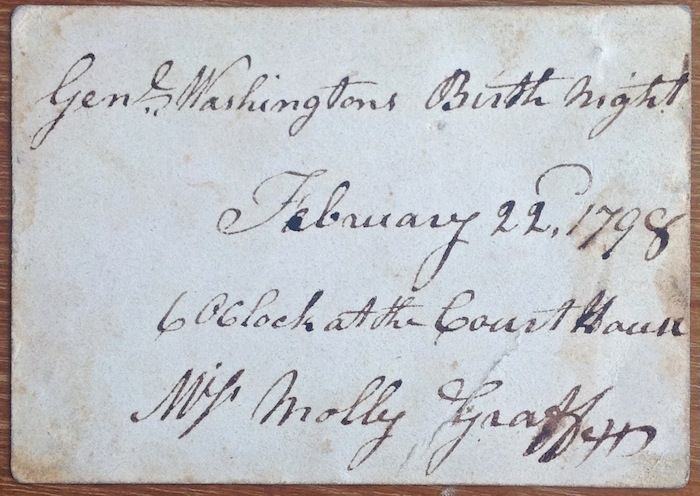 A King of Spades, United States, late eighteenth century, turned into an invitation to a George Washington birth night party—one of the most important social events in the early years of the United States of America.
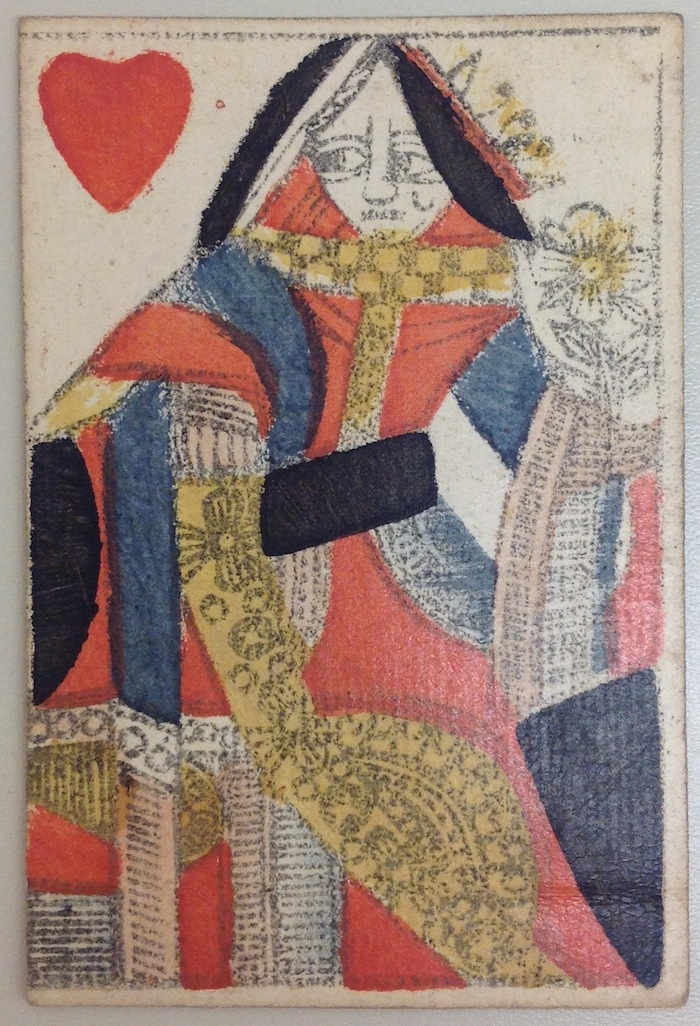
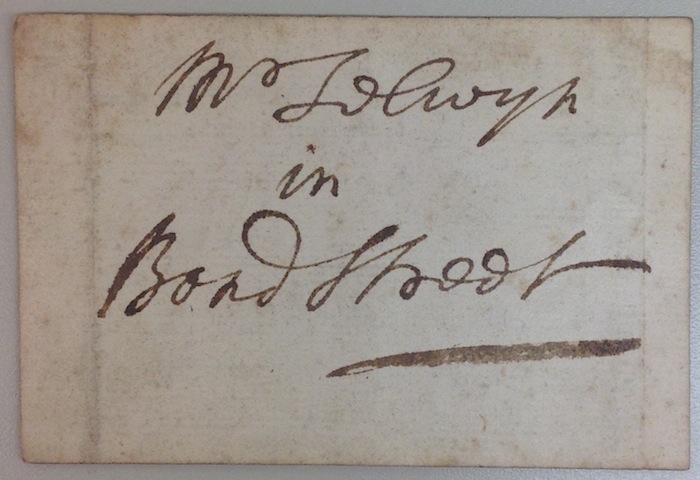
A calling card, England, eighteenth century.
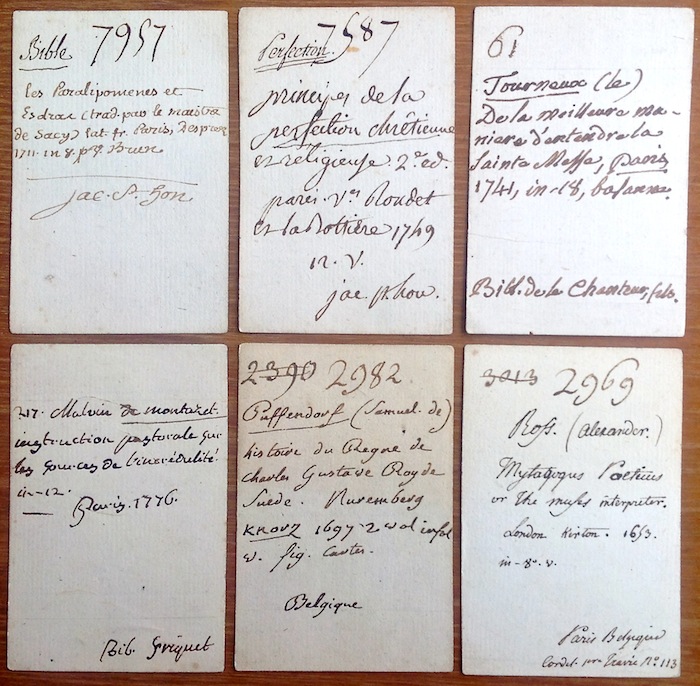
Catalog cards for a library, France, circa 1795.
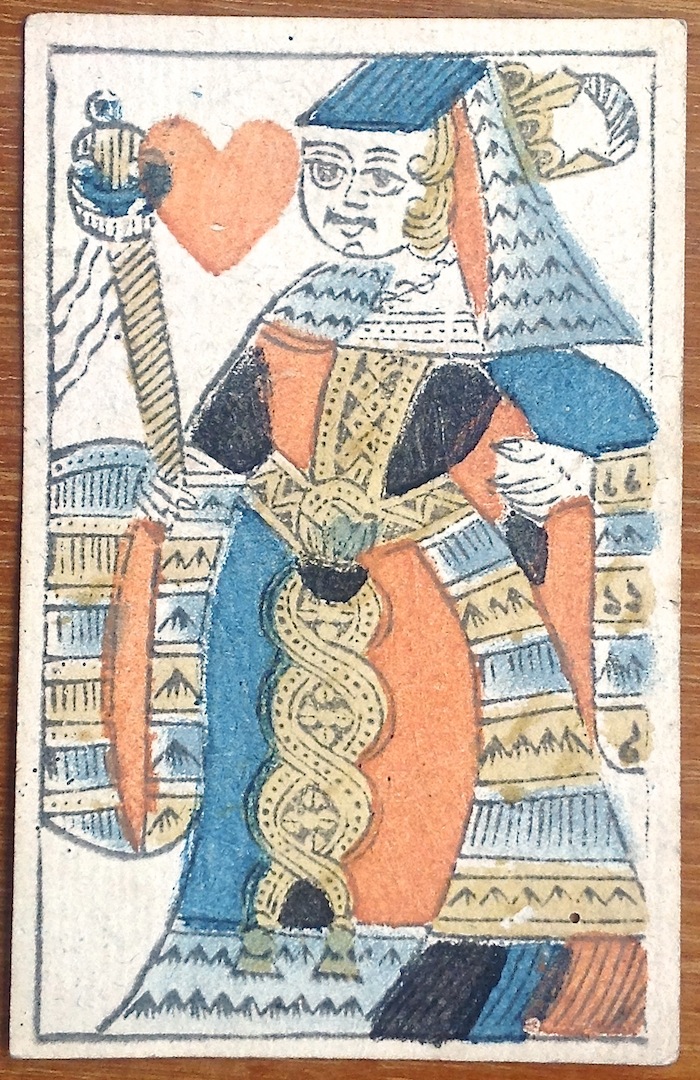
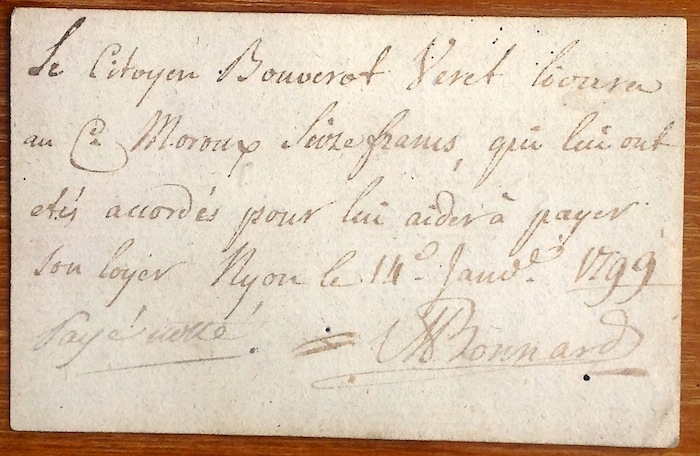
A receipt for a loan, France, mid-eighteenth century.
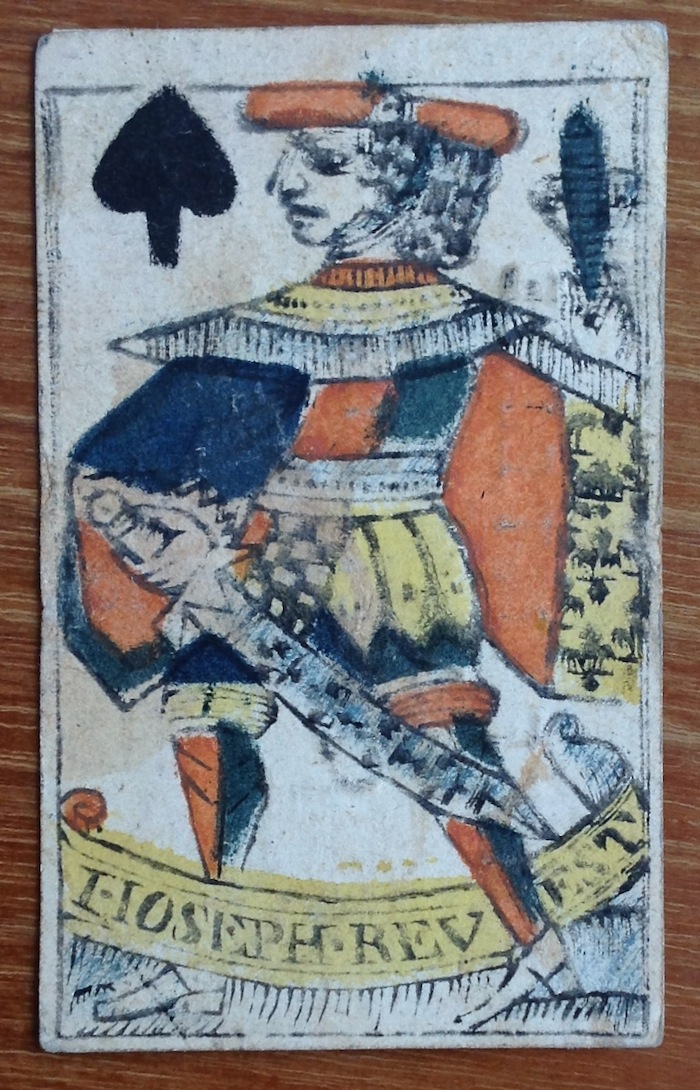
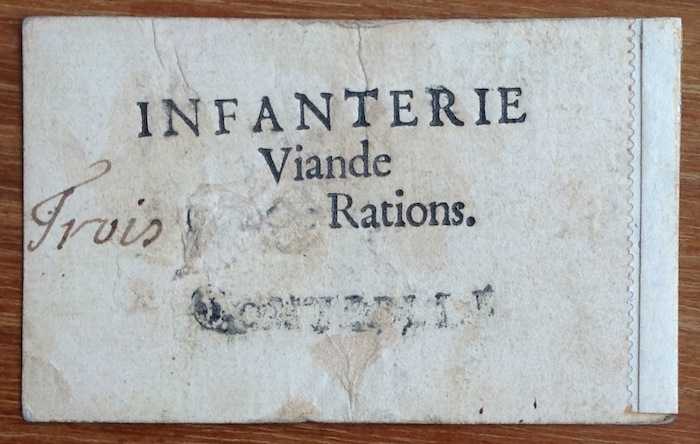
A voucher for army rations, France, eighteenth century.
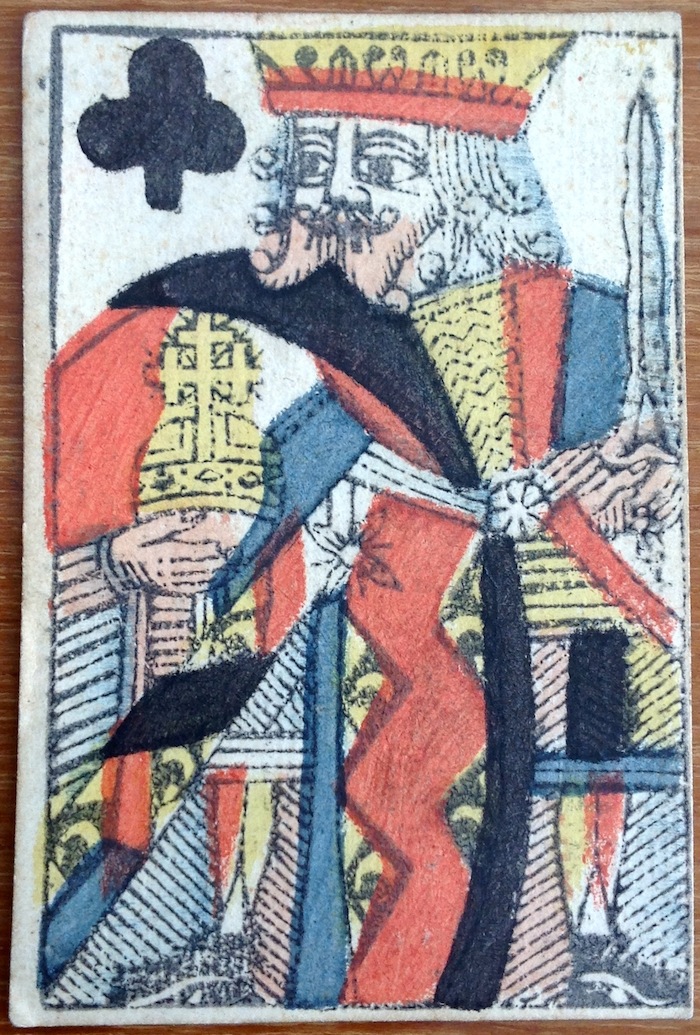
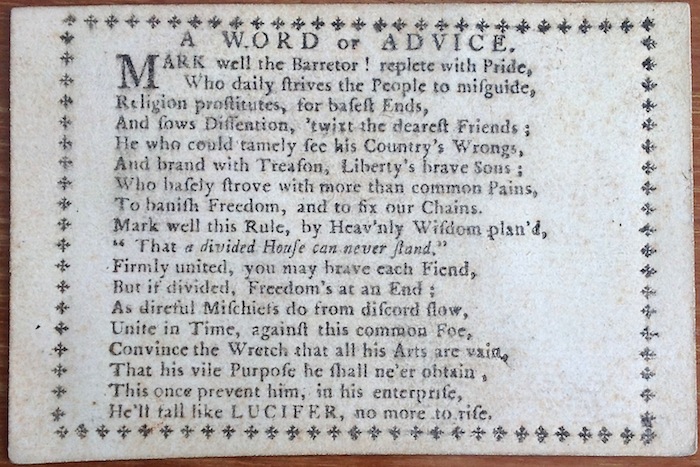
And as a mini-broadside, New York State, 1768 or 1769. This gem was used to print an allegorical poem intended to foment resentment against John Morin Scott, in the wake of the Stamp Act of 1765. This piece appeared in 1768 or 1769 and is attributed to John Holt. The poem also appeared as a larger broadside the same year. The reason it appeared in this form—on the verso of a playing card—may be to intentionally flaunt the terms of the Stamp Act, which included a tax on playing cards. (Disclaimer: This card shows a lot of work and may have been printed specifically for the purpose of disseminating the poem. But it has the look and feel of a repurposed card.)
Observed
View all
Observed
Share on Social


By Timothy Young
Related Posts

Business
Kim Devall|Essays
The most disruptive thing a brand can do is be human
AI Observer
Lee Moreau|Critique
The Wizards of AI are sad and lonely men
Business
Louisa Eunice|Essays
The afterlife of souvenirs: what survives between culture and commerce?
Architecture
Bruce Miller|Essays
A haunting on the prairie
Related Posts
Business
Kim Devall|Essays
The most disruptive thing a brand can do is be human
AI Observer
Lee Moreau|Critique
The Wizards of AI are sad and lonely men
Business
Louisa Eunice|Essays
The afterlife of souvenirs: what survives between culture and commerce?
Architecture
Bruce Miller|Essays