


Ellen McGirt|Essays, Travelogue, Women in Architecture
September 2, 2025
Lessons in wandering
The smallest gestures can mean so much.
The smallest gestures can mean so much.
About fifteen years ago, I took my first of many reporting trips to Haiti. It was my first time experiencing extreme poverty, and my first opportunity to understand how people who live and work there were, in this case, trying to build safe and sustainable water and sanitation systems.
One of the things I was not expecting was how quickly I became part of day-to-day life.
Walking to collect water, reciting verses in school, sitting in planning meetings, and even cooking together in communal kitchens. Tiny joyful moments. And then it was time to go. Because these things imprint on you, it felt natural and normal to stand up in the back of our pickup truck, raise my hands to my face, and blow good-bye kisses to the waving kids I’d been playing with for days.
One problem, though.
I’d just encouraged children whose community had not long ago been devastated by a preventable cholera epidemic, and who did not have access to clean water or safe latrines, to bring their hands to their mouths.
Their look of confusion was enough to shock me into recognition of my ignorance. I had been through the same handwashing training that local sanitation experts provided. I had practiced the elbow bump greeting. I’d been to infectious disease briefings. And still, I had missed it. I had failed to connect the most basic dots, and my own happy habit took over.
My cheeks burn with shame at the memory.
This is the gift of wandering, of traveling through communities not your own, at least, if you do it right. It humbles you. It fractures your understanding in unexpected ways. And it reminds you that even with the best intentions, unintended consequences lurk even in the most benign gestures.
These fundamental tensions and joys were what we were hoping to uncover in our latest editorial series, “Travelin’ thru,” on travel, tourism, and the quest to understand places in conflict, poverty, or otherwise, unlike our own.
What if a walking tour could do more than just point out the pretty details? “Design, at its best, doesn’t just say ‘go here’ — it quietly suggests how to be here,” writes Lisbon-based architect-turned-tour-guide Bert de Muynck.
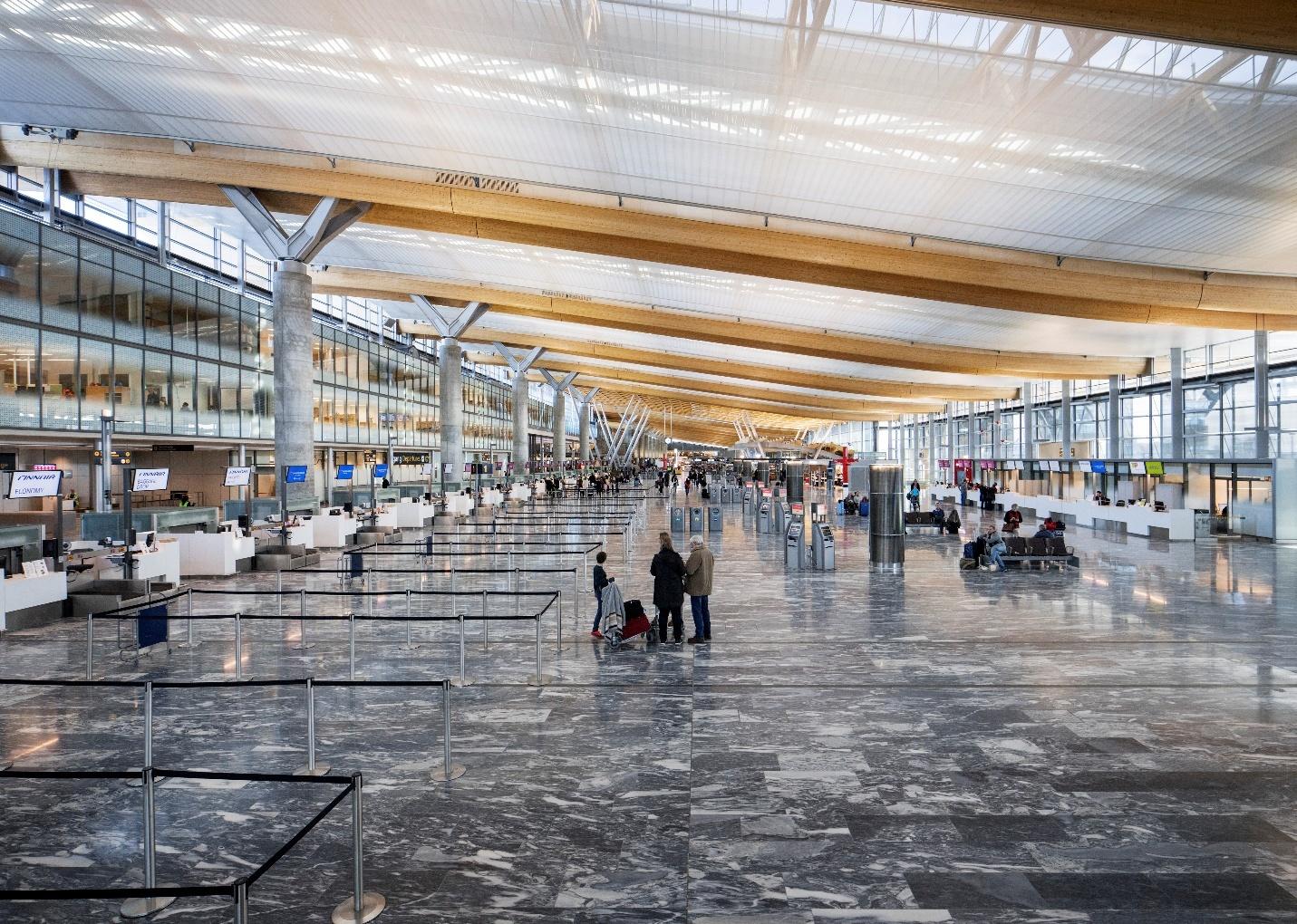
Or, as we learn in Sameedha Mahajan’s latest piece, The airport as borderland, we are now likely to encounter the ravages of poverty and conflict regardless of our destination. “The question for those of us working in aviation design, then, is what kind of borderland do we want to build: one that opens gateways, or one that reinforces barriers?” she writes.
I share my story whenever I can — my immersion, my shame, and my recognition — to remind myself that even with my flawed humanity, I can achieve a genuine connection and understanding of others.
What lessons have you learned? What opportunities do you see? What experiences have shaped you? We’re all ears, fellow travelers.
Pitch us here, follow the series here, or blow us a kiss on our social channels.
We love to hear from you.
Ellen McGirt
Ellen@designobservercombigscoots-stagingcom-cn.b.tempurl.cc
LinkedIn
Instagram
Threads
This edition of The Observatory was edited by Delaney Rebernik and Rachel Paese.
Last chance! Name your noms

Do you know of any rad collabs? Submit here.
The Design Observer 20 highlights the remarkable people, projects, and ideas that are bringing a more just, beautiful world into being.
This year, we’re shining a light on Radical Collaborators — those who are breaking silos, thinking across disciplines, and redefining design.
Is this you? Someone you know (or know of)?
Name your nominee by 9/5 for a chance a chance at fame and glory.
(Past honorees include AI truthteller Timnit Gebru, cultural changemaker Henry Timms, and global design community Games for Change.)
The big think
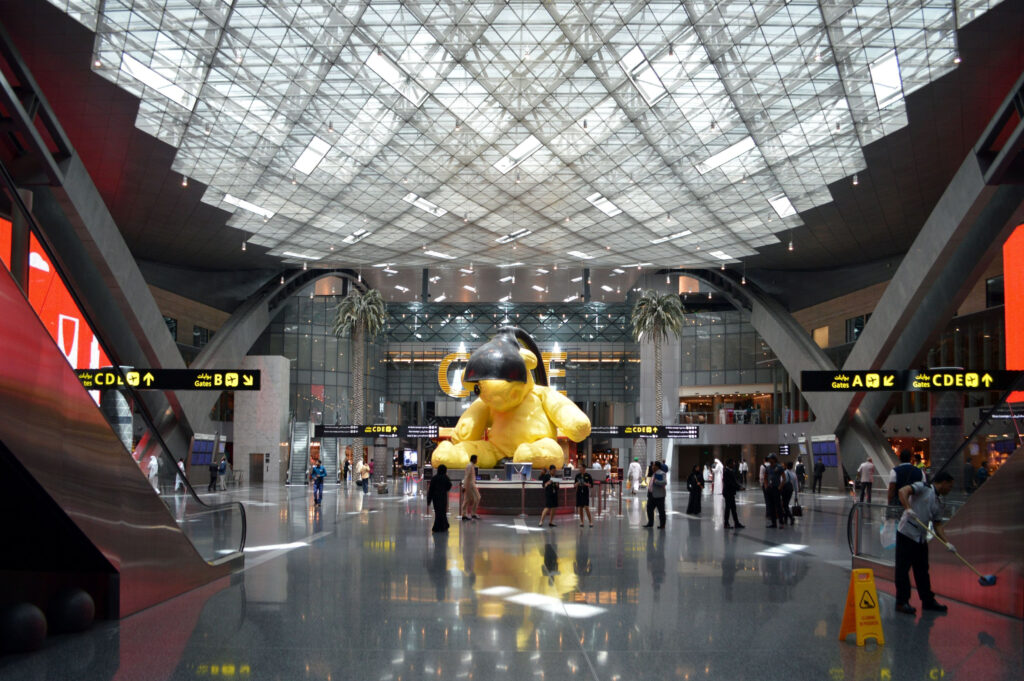
Once, during a layover at the Dubai International Airport — a place of soaring glass walls, endless luxury storefronts, and glittering duty-free displays — I saw a woman quietly crying in a corner, clutching a folder of documents. As travelers browsed jewelry, perfumes, and electronics under the hypnotic glow of LED accent lights, she seemed suspended in another reality entirely. Was she facing deportation? Being denied entry? Forced from the aircraft she’d been certain would carry her away?
Today, such uncertain scenarios seem more and more plausible. As of last year, some 123 million people worldwide were forcibly displaced due to conflict, persecution, or disaster, including more than eight million asylum seekers whose refugee status awaits legal resolution. What’s more, those displaced have increasingly found themselves stranded in airports, caught between legal gray zones and international bureaucracy.
And yet, as more people are getting stuck, even more are passing through. Worldwide, the demand for air travel is projected to increase 5.8% this year, says the International Air Transport Association, even amid geopolitical shakiness. And last year, an estimated 4.8 billion passengers (some repeats) took to the skies.
It’s this tension — between grounding and flying, peril and promise — that makes the airport the ultimate borderland. The question for those of us working in aviation design, then, is what kind of borderland do we want to build: one that opens gateways, or one that reinforces barriers?

Some fine print
Here’s a sampling of our latest and greatest from the Design Observer editorial and contributor network.
Say it with your chest: WNBA players fight for pay and justice on their t-shirts Earning just 9% of league revenue, players push for fairness on and off the court. By Alexis Haut.
Runway modeler: Airport architect Sameedha Mahajan on sending ever-more people skyward In this installment of “Jet Fuel” — er, “Design Juice” — the first-gen immigrant and second-gen architect says the best airports for our brave new world will blend wayfinding, cultural context, and, sometimes, a smaller footprint. By Delaney Rebernik.
A travel guide just for Black Americans A mailman published the annual Negro Motorist Green Book to ensure Black travelers safety and recreational enjoyment while on vacation in Jim Crow America. By Steven Heller.
Curious clicks
Shoutout to these archival gems you’ve somehow resurfaced and been reading en masse lately. (Srsly how? And ty.)
Pan Am: history, design, & identity. By Sean Adams.
Bumbos, swirlys, and a Chinese birdcage: a snapshot of marbles. By John Foster.
Warning: May contain non-design content. By Michael Bierut.
Design Matters From the Archive: Christina Tosi. With host Debbie Millman.
Movie props: Ready for their close up. By Steven Heller.
Pitch, please
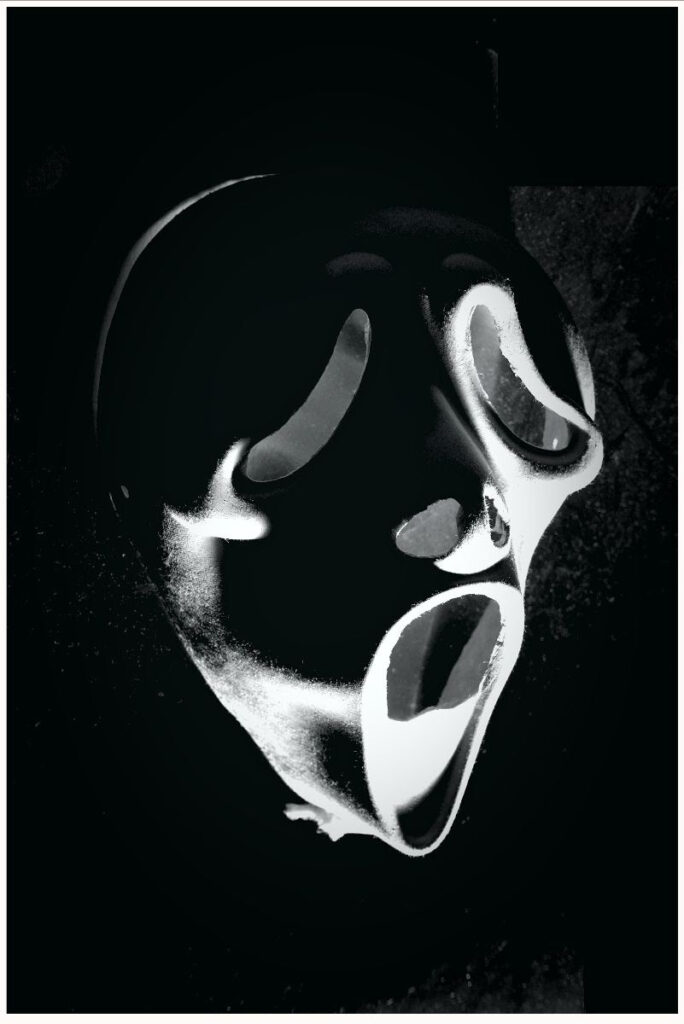
As Spooky Season creeps ever closer, we’re seeking pitches from design practitioners and journalists on The Design of Horror | The Horror of Design.
Whether you’re seduced by the scary or shy away from it, we want your take on the most chilling and thrilling ways that horror and design intersect. What cursed objects, theories, trends, policies, or people are tormenting today’s designers? What haunts from history, and harbingers of frights still to come, should we be paying attention to? How can we dredge up enough final-girl energy to confront these resident evils?
We welcome art-eds, op-eds, criticism, reported articles, and multimedia work from professional designers and journalists. See our pitch guide for more on what types of stories will make us bite. Also check out some of our archival horror coverage for inspiration, and sign up for our weekly newsletter The Observatory to get a deeper sense of our sensibilities.
Pitch us here by 9/22. We’ll commission stories on a rolling basis through the beginning of October.
Observed
What are you observing?Tell us.
The world’s English teacher says yes to her beloved gym teacher. The Instagram announcement of Taylor Swift’s engagement to Travis Kelce sent ripples of joy (and the usual other stuff) around the world. But spare a thought for the passionate collective of Gaylors, a Reddit group for people who believe Taylor Swift is a closeted queer woman. They moved the group to private.
Everything you need to know about the ring.
Design gets real real. There are murky ethical dilemmas embedded in all design work, and you don’t have to look hard for them. “If you spend long enough working in design, you’ll eventually need to sell something you would never buy,” begins this deep dive from It’s Nice That. “But what factors drive a designer to pass on Smith & Wesson and happily take on the NYPD?”
Tesla sales stall in the face of new competition… and maybe some other things, as well. Sales of Chinese EV BYD were up 225% in July, while Tesla’s fell some 40% in the same month. “[T]heir latest products have not been as successful as hoped, notably the Cybertruck,” an analyst told CNBC.
Scientists have abandoned Twitter in droves for Bluesky, and yes, they have the charts and graphs to prove it.
In memoriam: One of America’s “most fascinating farmers” has died. Tom Culton was just 44. He was known for his unique vegetable crops and seed varieties and was a lifelong advocate for slow food, sustainable living, and skateboarding.
The Wicked: For Good press tour is gearing up, so get ready with Ariana as she wears a lot of pink. While you’re at it, learn to design your own path with Wicked director Jon M. Chu on the DBBD podcast.
Be kind, rewind: Design Twitter (yes, I said Twitter) has become a bit of a slugfest of late, which has prompted some soul-searching. “Not gonna lie, the last week design twitter has been a little embarrassing,” posted @AlexAperios. Lots of talk of logos, AI, commitment to craft, and some harsh “critique.” The community supported a group reminder to be kind. “Instead, we get bandwagon recycling the same slop or hating on someone for 2 mins of twitter fame. I fear for young creatives who see this as any representation of the real world,” responded @sam_bxnd.
Let’s go outside and play. The tech-inspired architecture of the late 20th century is being reconsidered in new and exciting ways. The central operating system is discovery: Public spaces designed via a mashup of architecture, the environment, and pedagogy. What if designing a city from a child’s perspective made life better for everyone?
Andrew Anderson, a film photographer working in the U.S. Midwest, has been faithfully documenting images of storefronts across Detroit, Michigan, that were hand-painted by a sign maker named Ron Miller. Miller, who works under the business name Miller Signs, appears to be one of the most prolific sign makers working today, maybe ever. “I’m an avid Google Street View user, and as a native Michigander, I like to check out the changes to Detroit over the years. As I explored the streets of Detroit in images going back to 2009, I kept seeing these hand-painted storefronts with a similar style,” Anderson says. Here’s Ron; here’s the Google Street View map of over 250 of his amazing signs.
Global design giant Gensler is turning 60. Co-CEOs Elizabeth Brink and Jordan Goldstein, one year into their positions, sat down with Interior Designto talk about the next 60 years. “We model strong collaboration through the entire organization, from projects to studios to offices to practice areas — all the way up to the executive-level leadership,” says Brink. “It reflects Gensler’s belief that design is not a solo art,” adds Goldstein.
Ain’t no troll like a Rhode Island troll (sculpture).
In memoriam: Joe Caroff, the secret giant of graphic design who gave James Bond his signature logo, has died at 103. His movie posters, often unsigned, remain iconic, including those for the likes of West Side Story, A Hard Day’s Night, and Cabaret. “That he was unknown is shocking,” says Steven Heller, co-chairman emeritus of the Master of Fine Arts Design program at the School of Visual Arts in Manhattan.
Folks on Reddit “took a crack” at the Cracker Barrel logo redesign.
Apple is planning its most significant iPhone overhaul to date, preparing to announce a three-year innovation roadmap including more colors, more (and fewer) features, a lighter version and a foldable phone coming in 2026. “Code-named V68, it looks like Samsung Electronics Co.’s book-style foldables that open into a small tablet,” reports Bloomberg.
Big box home improvement retailer Lowe’s is strengthening its position in the professional construction and design space by agreeing to acquire Foundation Building Materials for about $8.8 billion. The company distributes a range of interior building products, including drywall and installation, as well as doors, fans, and hardware.
AI media roundup: gird your loins. History teaches us that the profits from AI productivity will take much longer than expected, says John Cassidy in The New Yorker. “Is the AI bubble about to burst — and send the stock market into freefall?” asks Phillip Inman in the Guardian. Citing hiring freezes and “bubble talk” from AI stalwarts, CNN’s Allison Morrow says the AI “vibe shift” is upon us. “[I]nvestors aren’t just preparing for a pullback, they’re bracing for a nosedive.”
Texas introduces a new driver’s license design aimed at making it harder to counterfeit. Nice work! Axios also nods to graphic designer and YouTuber Scott is Struggling for his very entertaining design tier ranking of every driver’s license from every U.S. state. “Look at Georgia stepping up!”
Yesterday and today

Why do we keep our old passports? They’re not art, but they are deeply designed and deeply personal. Earlier this summer I had to renew my passport, and for the first time, I did everything online. As I worried over how long it would take to get it back, I realized just how attached I’d become to this small but weighty artifact.
In this episode of The Futures Archive, host Lee Moreau and guest host Natasha Jen explore the surprising emotional weight of passport design, asking bigger questions about identity, belonging, and who really sits at the center of human-centered design. With insights from Ellen Lupton, Kipum Lee, and Craig Robertson, it’s a journey through the documents that let us cross borders, and the design decisions that shape our experience of them.
— Sheena Medina, Managing Editor
Observed
View all
Observed
Share on Social


By Ellen McGirt
 Ellen McGirt is an author, podcaster, speaker, community builder, and award-winning business journalist. She is the editor-in-chief of Design Observer, a media company that has maintained the same clear vision for more than two decades: to expand the definition of design in service of a better world. Ellen established the inclusive leadership beat at Fortune in 2016 with raceAhead, an award-winning newsletter on race, culture, and business. The Fortune, Time, Money, and Fast Company alumna has published over twenty magazine cover stories throughout her twenty-year career, exploring the people and ideas changing business for good. Ask her about fly fishing if you get the chance.
Related Posts
Business
Kim Devall|Essays
The most disruptive thing a brand can do is be human
AI Observer
Lee Moreau|Critique
The Wizards of AI are sad and lonely men

Business
Louisa Eunice|Essays
The afterlife of souvenirs: what survives between culture and commerce?

Architecture
Bruce Miller|Essays
A haunting on the prairie
Related Posts
Business
Kim Devall|Essays
The most disruptive thing a brand can do is be human
AI Observer
Lee Moreau|Critique
The Wizards of AI are sad and lonely men
Business
Louisa Eunice|Essays
The afterlife of souvenirs: what survives between culture and commerce?
Architecture
Bruce Miller|Essays