


December 2, 2015
Out of Bounds
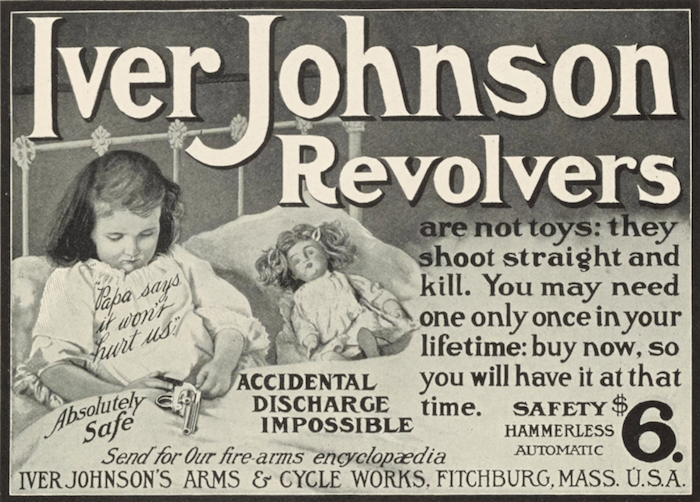
Iver Johnson Firearms ad, 1904
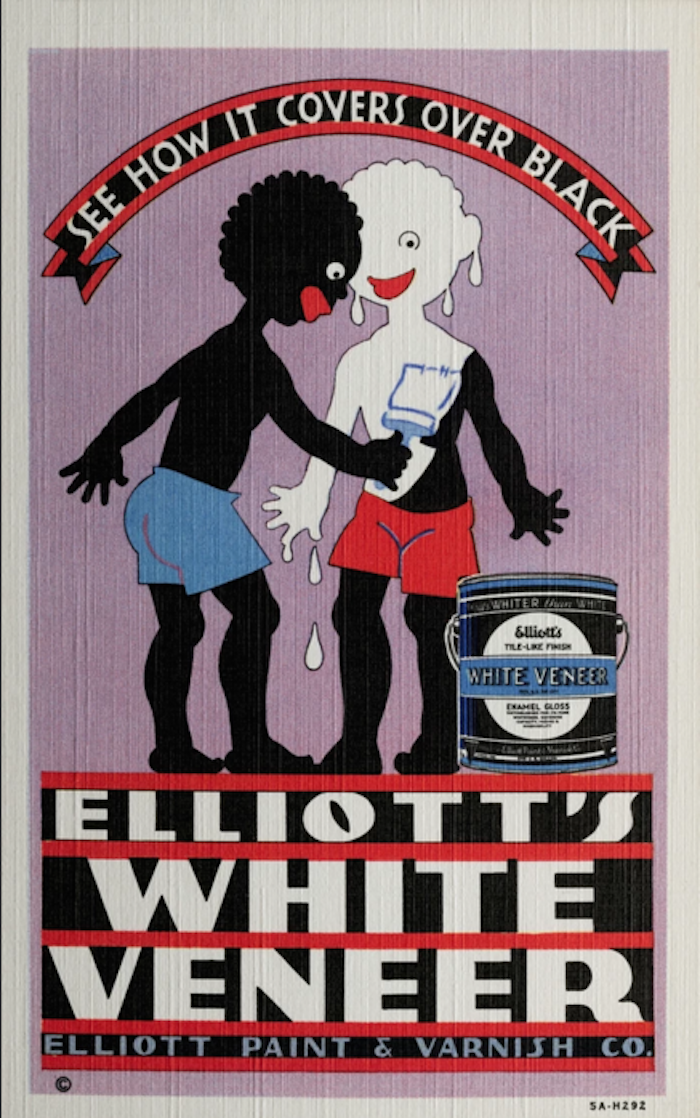
Elliot’s Paint ad, 1930
Big and bold, brazen in their promise and hyperbolic in their claims, the ads themselves are at once mesmerizing and horrifying, begging the question: Was the accompanying text intentionally drafted to stay out of the way? Typographically, it reads like one long extended caption (set in oddly ragged and openly tracked narrow columns of Century Schoolbook) with essentially no attention given to an analysis of how these advertisements evolved over time. Did negative finger-pointing drive consumer spending? Did chauvinism frame market strategy? And how, frankly, did such black/white, male/female, clean/dirty binary opposition not incite reader revulsion, even as recently as the 1960s and ’70s?
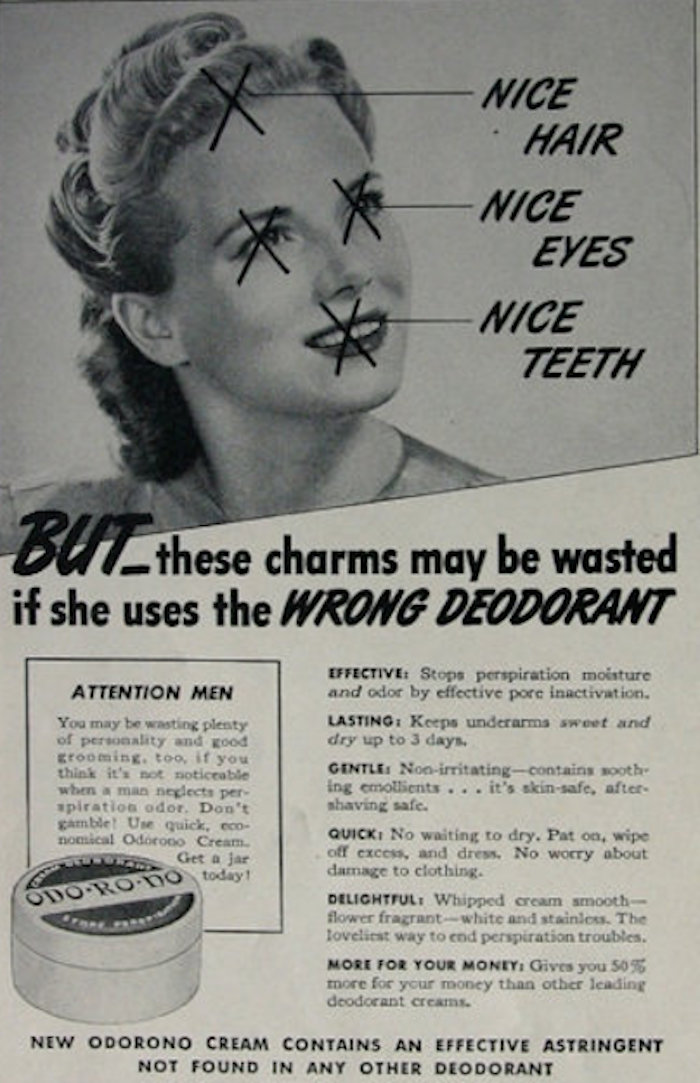
Odorono ad
The story of Murphy—who later became Mrs. Ezra Winter (her second husband was an accomplished American muralist)—would have offered a fascinating counter to what is, in a sense, a visual record of the modern, marginalized woman, here shown as a doormat and a broomstick, hugging a vacuum cleaner, imprisoned by her kitchen—the species itself represented as decorative, if inert appendages of the products they’re mindlessly recruited to endorse. Indeed, viewers who devotedly watched all seven seasons of Mad Men (a sizable demographic) will likewise be disappointed by the scarcity of written content devoted to the agencies responsible for many of these disturbing advertisements. (Another missed opportunity.)
Observed
View all
Observed
Share on Social


By Jessica Helfand
 Jessica Helfand, a founding editor of Design Observer, is an award-winning graphic designer and writer and a former contributing editor and columnist for Print, Communications Arts and Eye magazines. A member of the Alliance Graphique Internationale and a recent laureate of the Art Director’s Hall of Fame, Helfand received her B.A. and her M.F.A. from Yale University where she has taught since 1994.
Related Posts

Business
Kim Devall|Essays
The most disruptive thing a brand can do is be human
AI Observer
Lee Moreau|Critique
The Wizards of AI are sad and lonely men
Business
Louisa Eunice|Essays
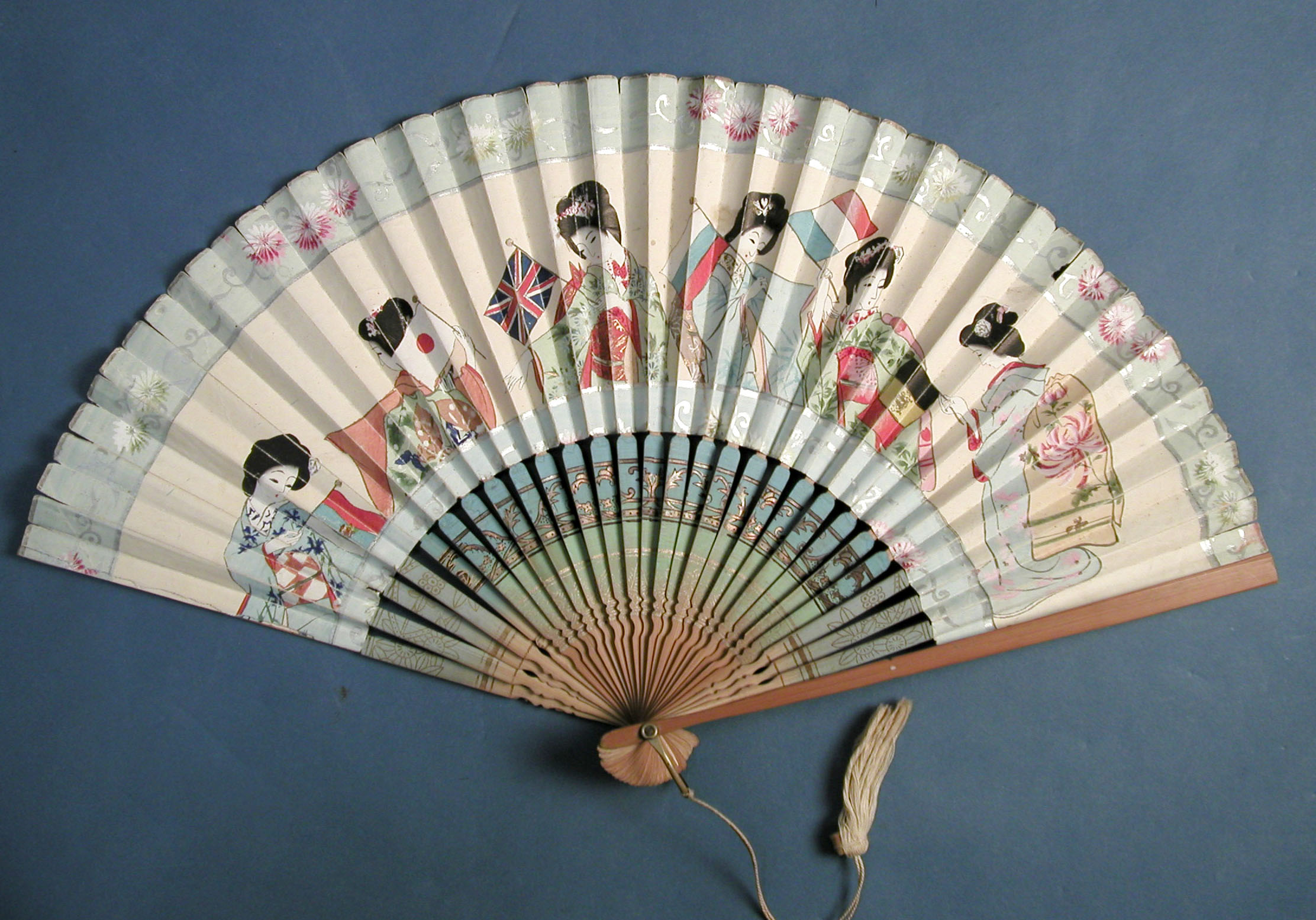
The afterlife of souvenirs: what survives between culture and commerce?

Architecture
Bruce Miller|Essays
A haunting on the prairie
Related Posts
Business
Kim Devall|Essays
The most disruptive thing a brand can do is be human
AI Observer
Lee Moreau|Critique
The Wizards of AI are sad and lonely men
Business
Louisa Eunice|Essays
The afterlife of souvenirs: what survives between culture and commerce?
Architecture
Bruce Miller|Essays