


October 22, 2015
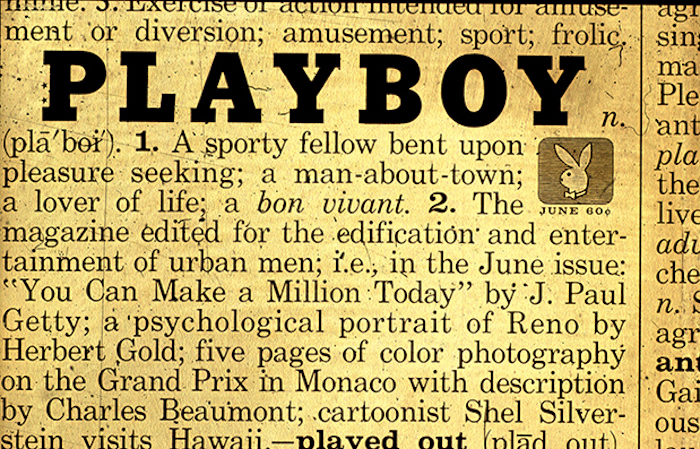
Played-out?
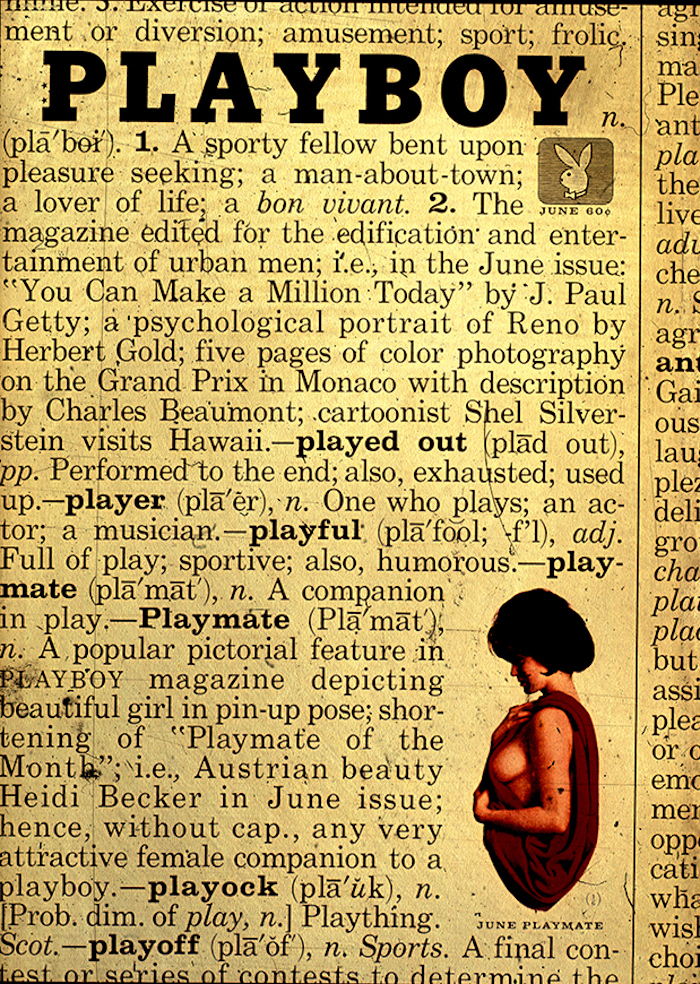
The author’s favorite Playboy cover, from June 1961
Founded in 1978, Banana Republic’s core products were travel-oriented, khaki-colored safari clothing and accessories. In 1983, after The Gap bought the company, the BR brand was transformed overnight into a luxury fashion retailer. Although it retained its questionable brand name, signifying South American dictatorships governed by North American fruit corporations, it became a shopping staple for the Baby Boomer-Yuppie crowd. Many clothing, food, and entertainment businesses have totally changed their styles and core content for demographic reasons, but usually these shifts were done with evolutionary caution. Last week a world famous brand announced an unexpected, revolutionary change that caught the world off-guard.
What if Disney lost its mouse, McDonald’s took burgers and fries off the menu, Lay’s gave up on potatoes altogether, The New York Times no longer covered the news, R.J. Reynolds stopped producing cigarettes, or Trump International made The Donald disappear?
Observed
View all
Observed
Share on Social


By Steven Heller
 Steven Heller is the co-chair (with Lita Talarico) of the School of Visual Arts MFA Design / Designer as Author + Entrepreneur program and the SVA Masters Workshop in Rome. He writes the Visuals column for the New York Times Book Review, a weekly column for The Atlantic online and The Daily Heller.
Related Posts
Business
Kim Devall|Essays
The most disruptive thing a brand can do is be human
AI Observer
Lee Moreau|Critique
The Wizards of AI are sad and lonely men
Business
Louisa Eunice|Essays
The afterlife of souvenirs: what survives between culture and commerce?

Architecture
Bruce Miller|Essays
A haunting on the prairie
Related Posts
Business
Kim Devall|Essays
The most disruptive thing a brand can do is be human
AI Observer
Lee Moreau|Critique
The Wizards of AI are sad and lonely men
Business
Louisa Eunice|Essays
The afterlife of souvenirs: what survives between culture and commerce?
Architecture
Bruce Miller|Essays