



Red Tractors
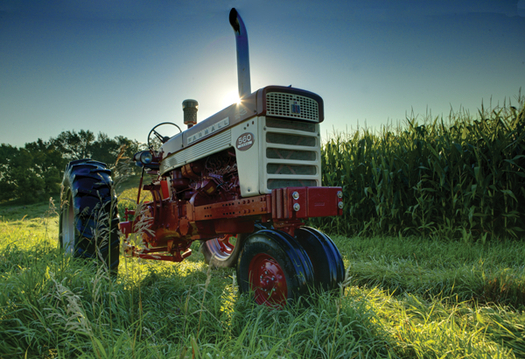
Photo from Red Tractors: 1958-2013
Growing up in an urban-ish environment, I was always thrilled to visit my extended family in rural Tennessee. My relatives were great, but what I really liked about these trips was the way the landscape transformed from brick and concrete to the captivating geometry of the farmlands — with lots of tractors.
I’m not the only one who dug the tractors. Lee Klancher has been photographing and writing about them for more than half a century. His book Red Tractors: 1958-2013 was published this fall by Octane Press. In an article about the book on Collector’s Weekly Klancher says;
“The part about tractors that’s really interesting to me,” Klancher says, “is the role they played in our society, transforming it from primarily agrarian to urban. In the mid-19th century, most of the U.S. populace was farming. By 1993, the government actually stopped counting farmers as a unique population group. Today, the world we live is incredibly urban, the rural way of life is essentially gone. That’s an enormous shift, and tractors enabled it. Without the tractor, without the mechanization of the farm, a larger percentage of the population would still have to be out there farming. I don’t think the dot-com revolution would have happened without tractors,” he adds. “If you look at the Internet, that’s the product of an industrialized nation.”
Read more about Klantcher and the culture of tractors at Collector’s Weekly.
Observed
View all
Observed
Share on Social


By Observed
Related Posts
Design Impact
Ellen McGirt|Books
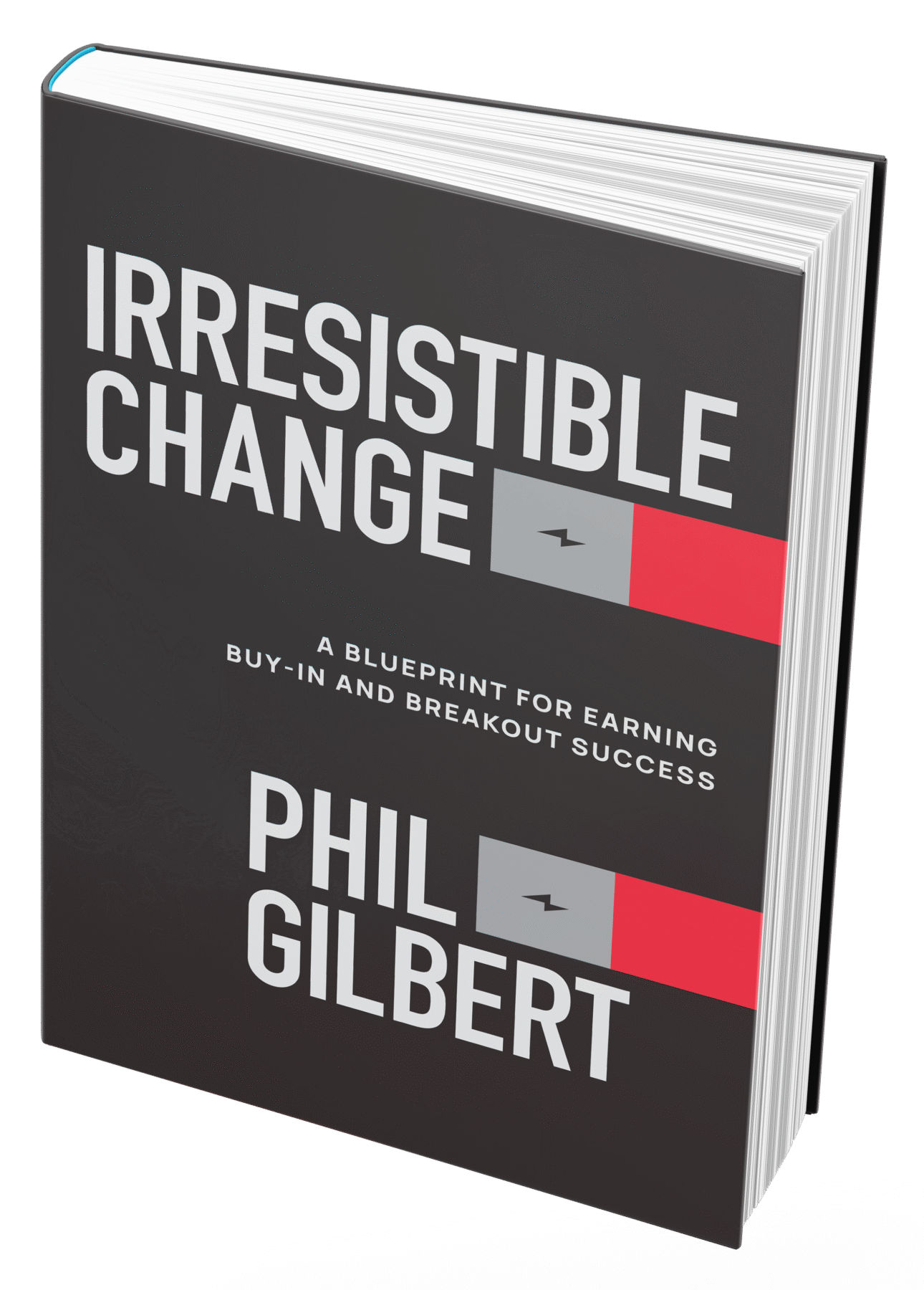
No mandates, only opportunities: IBM’s Phil Gilbert on rethinking change
Education
The Editors|Books
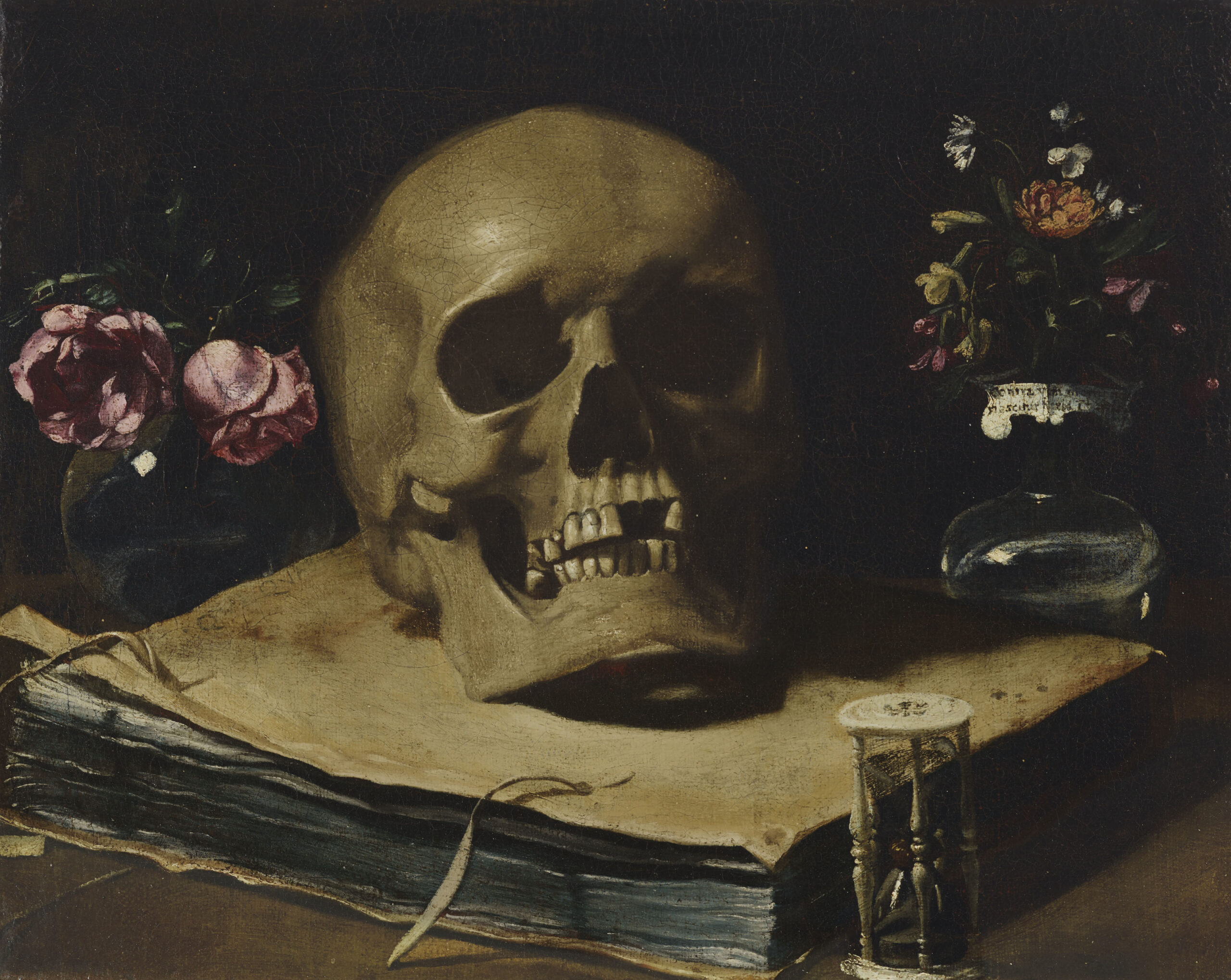
Your October reading list: The Design of Horror | The Horror of Design
Innovation
Vicki Tan|Books
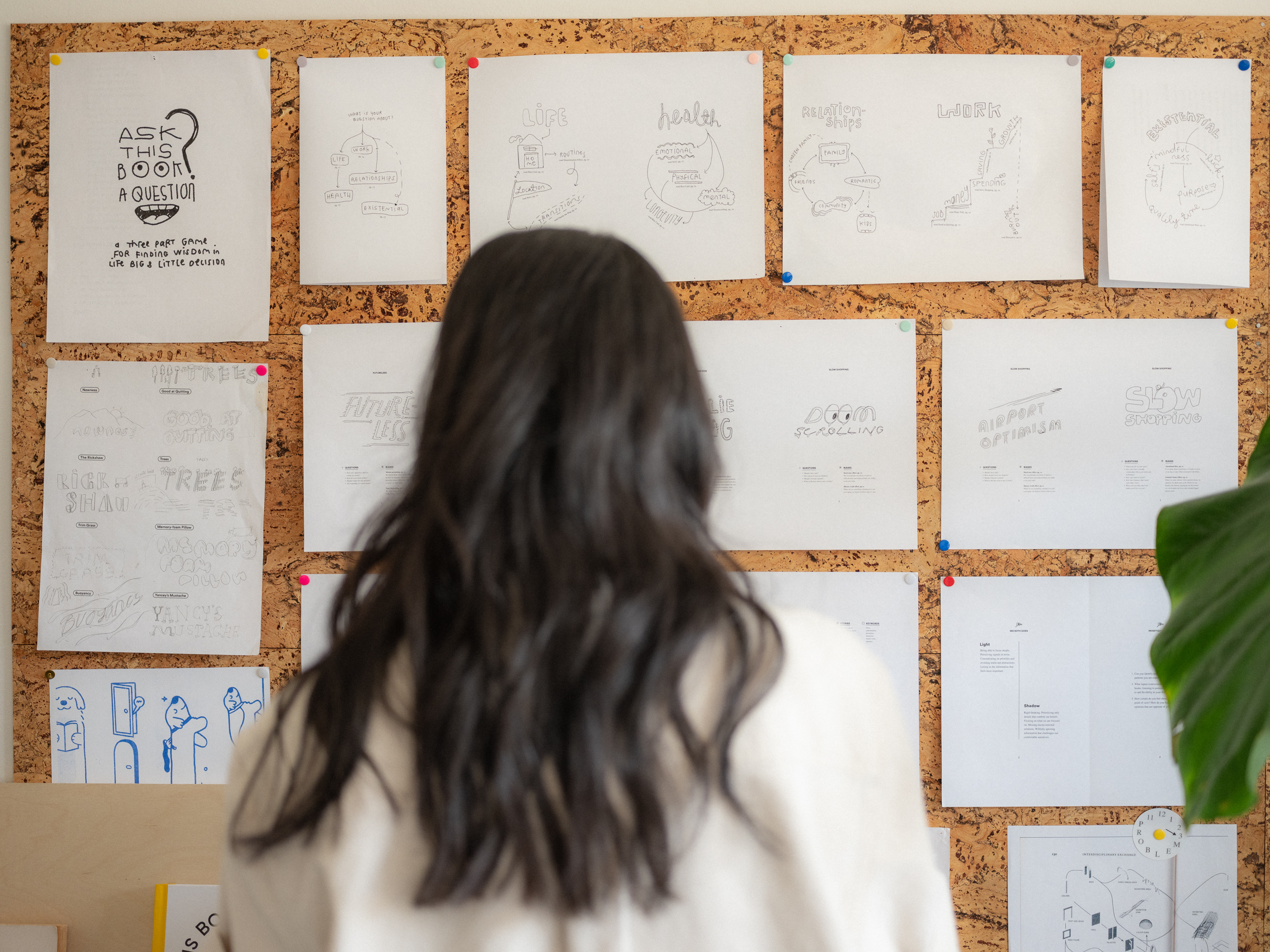
How can I design at a time like this?

AI Observer
John Maeda|Books
Should we teach AI to reflect human values, emotions, and intentions?
Related Posts
Design Impact
Ellen McGirt|Books
No mandates, only opportunities: IBM’s Phil Gilbert on rethinking change
Education
The Editors|Books
Your October reading list: The Design of Horror | The Horror of Design
Innovation
Vicki Tan|Books
How can I design at a time like this?
AI Observer
John Maeda|Books