


June 30, 2008
Taking Things Seriously XIII

When I was sixteen or seventeen, I had a huge argument with my father. For me, that fight was a turning point in our relationship; for him, though, it was just one of a series of disagreements with his nagging daughters. I had been clearing out the clutter that had been accumulating in our home since the untimely death of my mother years before. But then I discovered that my father — a renowned professor of archeology, history, and theology at Boston College — was trash-picking those very items and bringing them back inside.
I remember holding up an empty cheese-food box and arguing passionately against the item, saying it had no purpose. But my father wouldn’t back down. He insisted that “Velveeta boxes are good boxes, well-made, and you can keep things in them.” At that moment, I realized that if I couldn’t even win the Velveeta box argument, then the arguments over the used typewriter cartridges, the orange juice container tops, and the bags of bags of bags — not to mention the rubber bands, napkins, little soaps, and twist-ties — were futile.
Flash-forward to twenty years later: I am helping my now-retired father unpack his belongings following his move to Los Angeles. I open a crate and sitting on top of its contents is a Velveeta box whose purchase-by date reads “1982.” My father had used it to store cord. Twenty years and three thousand miles: He won.
This short essay is excerpted from Taking Things Seriously: 75 Objects with Unexpected Significance, a book by Joshua Glenn and Carol Hayes in which they and other writers discuss the importance of objects in their lives. This is the thirteenth and final essay in a series to appear on Design Observer.
Observed
View all
Observed
Share on Social


By Becky Neiman
Related Posts
Business
Kim Devall|Essays
The most disruptive thing a brand can do is be human
AI Observer
Lee Moreau|Critique
The Wizards of AI are sad and lonely men
Business
Louisa Eunice|Essays
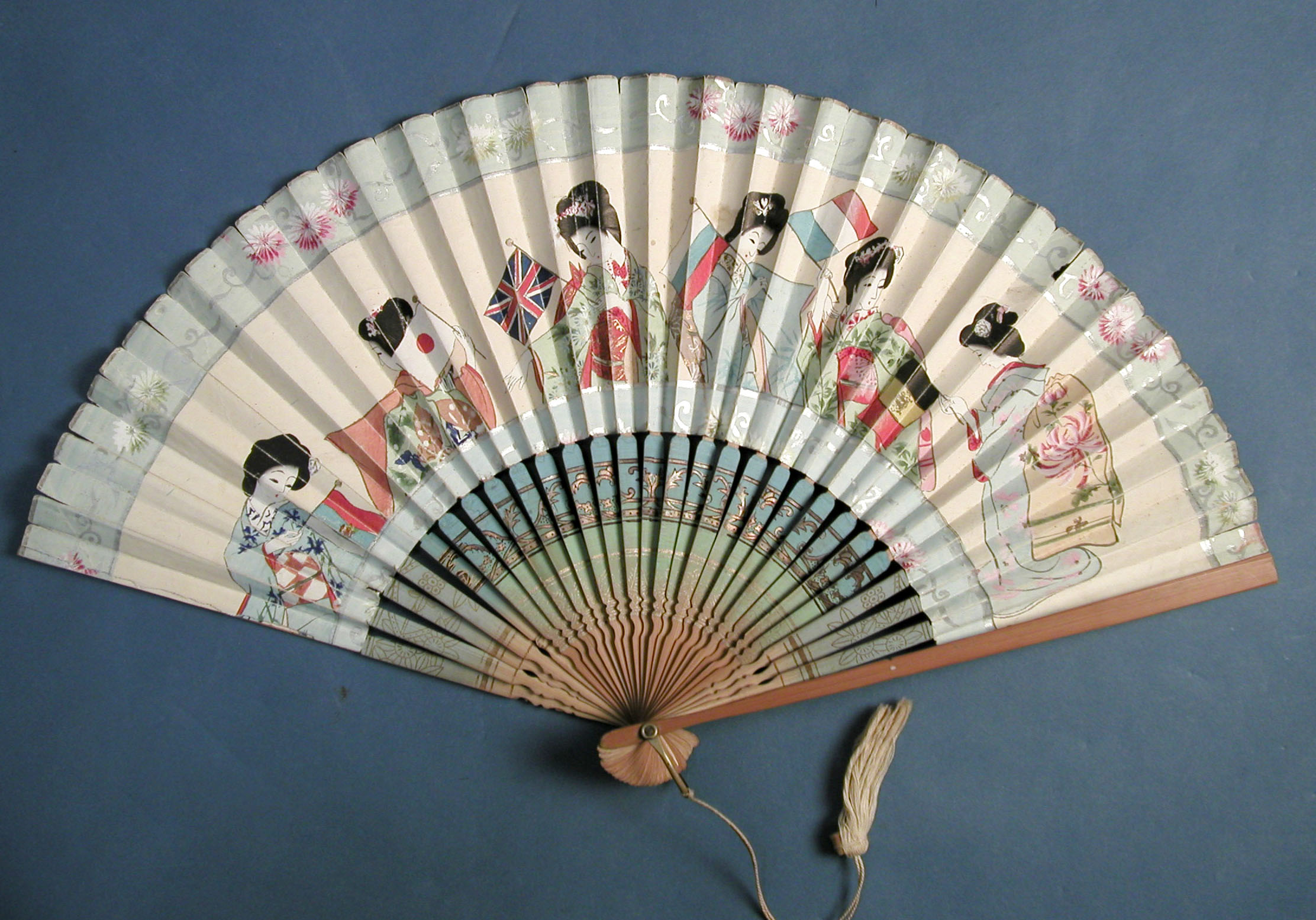
The afterlife of souvenirs: what survives between culture and commerce?

Architecture
Bruce Miller|Essays
A haunting on the prairie
Related Posts
Business
Kim Devall|Essays
The most disruptive thing a brand can do is be human
AI Observer
Lee Moreau|Critique
The Wizards of AI are sad and lonely men
Business
Louisa Eunice|Essays
The afterlife of souvenirs: what survives between culture and commerce?
Architecture
Bruce Miller|Essays