


January 13, 2016
The D Word: Periodically Speaking
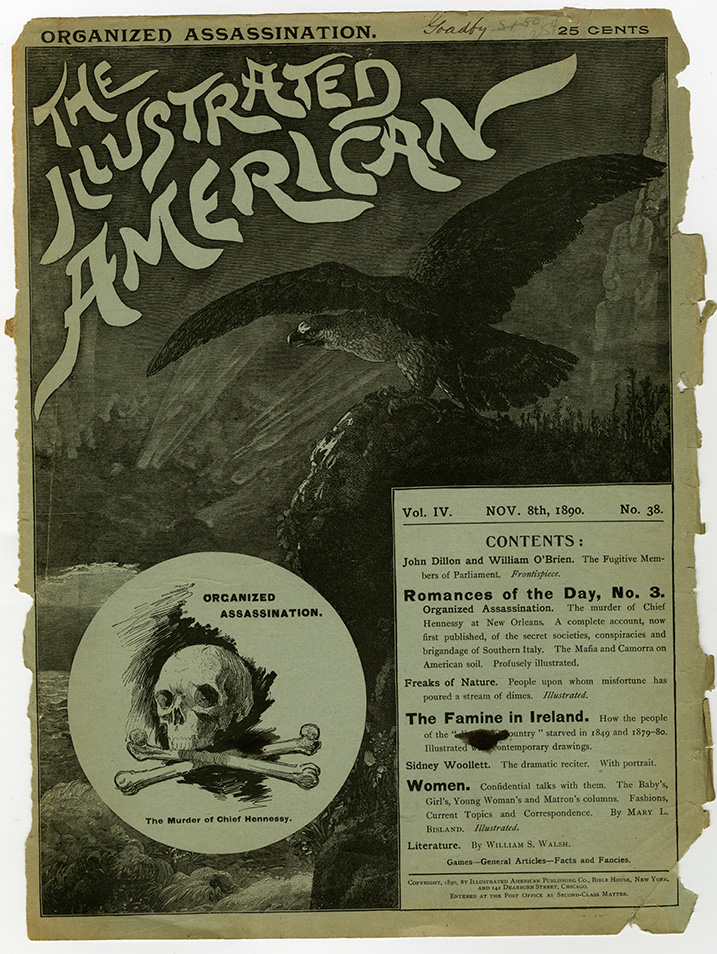
The art of newspaper and magazine layout began in earnest starting in the early nineteenth century as a method for printers to jam as much information (first words, then—as technology advanced—words and pictures) and advertising onto a page as could fit and still be readable. This was graphic “design” by default, requiring considerable craftsmanship to align the various letterpress elements, and demanding more than a modicum of typographic competency to distinguish the editorial from advertising content—and also one advertisement from another. The craftspeople who generally did this work, who began as printers or typesetters, were called layout or make-up artists, and their responsibility was to compose pages while adhering to the periodical’s particular logic or format.
Observed
View all
Observed
Share on Social


By Steven Heller
 Steven Heller is the co-chair (with Lita Talarico) of the School of Visual Arts MFA Design / Designer as Author + Entrepreneur program and the SVA Masters Workshop in Rome. He writes the Visuals column for the New York Times Book Review, a weekly column for The Atlantic online and The Daily Heller.
Related Posts

Business
Kim Devall|Essays
The most disruptive thing a brand can do is be human
AI Observer
Lee Moreau|Critique
The Wizards of AI are sad and lonely men
Business
Louisa Eunice|Essays
The afterlife of souvenirs: what survives between culture and commerce?

Architecture
Bruce Miller|Essays
A haunting on the prairie
Related Posts
Business
Kim Devall|Essays
The most disruptive thing a brand can do is be human
AI Observer
Lee Moreau|Critique
The Wizards of AI are sad and lonely men
Business
Louisa Eunice|Essays
The afterlife of souvenirs: what survives between culture and commerce?
Architecture
Bruce Miller|Essays