


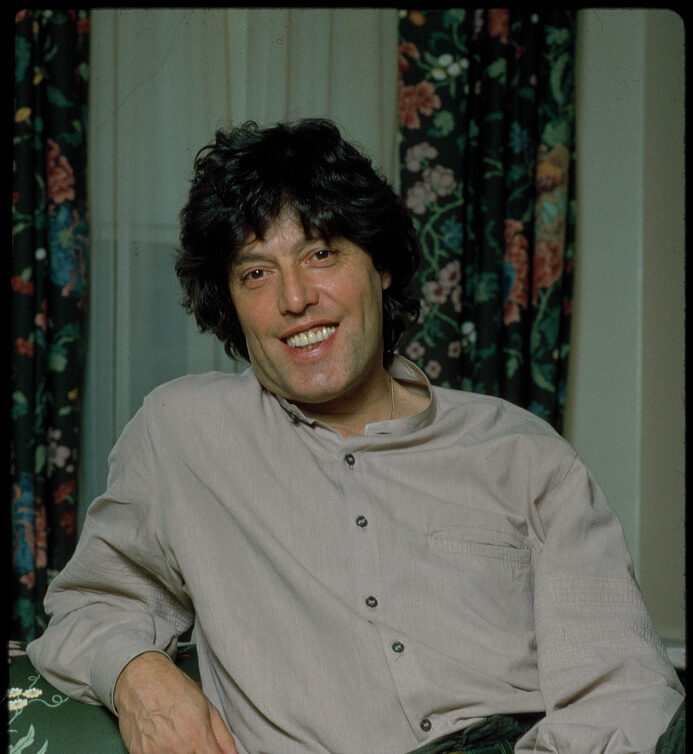
December 2, 2025
“I don’t think writers are sacred, but words are.”
In memoriam: Tom Stoppard, the beloved “philosopher king” who shaped the stage and screen for more than six decades.
The playwright of Arcadia, The Real Thing, and Leopoldstadt lived an extraordinary life worth emulating.
Tom Stoppard, the beloved “philosopher king” who shaped the stage and screen for more than six decades, died November 29 at his home in Dorset, England, surrounded by his family. He was 88.
The Society of London Theatre president Kash Bennett said Stoppard’s “extraordinary voice reshaped modern theatre, combining intellectual daring, emotional depth and razor-sharp wit in work that challenged, moved and delighted audiences across generations.”
On Tuesday, the West End theaters will dim their lights for two minutes in remembrance.
Stoppard began life as Tomáš Straussler in Czechoslovakia; his Jewish parents fled the Nazi invasion in 1939 when he was two, traveling first to Singapore, then India. After the unexpected death of his father, his mother married British army major Kenneth Stoppard, who adopted him and his brother and brought the family back to post-war England. “You live as if without history, as if you throw no shadow behind you” is a line from Leopoldstadt dedicated to those who are forced to take refuge in an uncertain world.
It made him weep.
What followed was a near embarrassment of artistic adventures and creative gambles that turned into real riches.
After an aborted stint in journalism, Stoppard wrote radio plays and theater reviews. He earned a Ford Foundation grant that enabled him to develop the idea that would become Rosencrantz and Guildenstern Are Dead. Plays, then screenplays — he co-wrote the Oscar-winning original screenplay for Shakespeare in Love — and more plays followed. He said yes to so much. And why not? “Life is a gamble, at terrible odds. If it were a bet you wouldn’t take it,” he wrote in Rosencrantz and Guildenstern.
“From the start, Stoppard was celebrated as an intellectual gymnast: a man who was driven by ideas as much as by character and plot,” writes Michael Billington, who was introduced to Stoppard early on, when he was just “a punk journalist from Bristol” who referred to himself as a “bounced Czech.”
If you’ve got the time, I would encourage you to search for and read the many tribute posts and obituaries, even if you weren’t a fan. They’re remarkable for many reasons, not the least of which is the legacy of inspiration Stoppard left behind, including for those whose ordinary lives were transformed by something he wrote or said.
But his life also feels like a blueprint for the future.
To say yes, to take chances, to commit to a lifelong quest to master the long form of your choice, to be an unswerving believer that art is an indispensable crucible for important ideas, and to be a witty and gracious collaborator. If there were a path for designers and redesigners in the world, then this is as good as any.
Let’s protect the Tom Stoppards. Let’s protect each other.
“I keep this on my desktop,” posted NPR’s Scott Simon on X:
“Words are innocent, neutral, precise, standing for this, describing that, meaning the other, so if you look after them you can build bridges across the incomprehension and chaos. But when they get their corners knocked off, they’re no good anymore.
“I don’t think writers are sacred, but words are. They deserve respect. If you get the right ones in the right order, you can nudge the world a little or make a poem which children will speak for you when you’re dead.” — Tom Stoppard.
Ellen McGirt
Editor-in-Chief
Ellen@designobservercombigscoots-stagingcom-cn.b.tempurl.cc
LinkedIn
Instagram
Threads
P.S. Did someone who loves you send you this newsletter? Welcome! Subscribe here.
This edition of The Observatory was edited by Delaney Rebernik.
This is the web version of The Observatory, our (now weekly) dispatch from the editors and contributors at Design Observer. Want it in your inbox? Sign up here. While you’re at it, come say hi on YouTube, Reddit, or Bluesky — and don’t miss the latest gigs on our Job Board.
Big idea
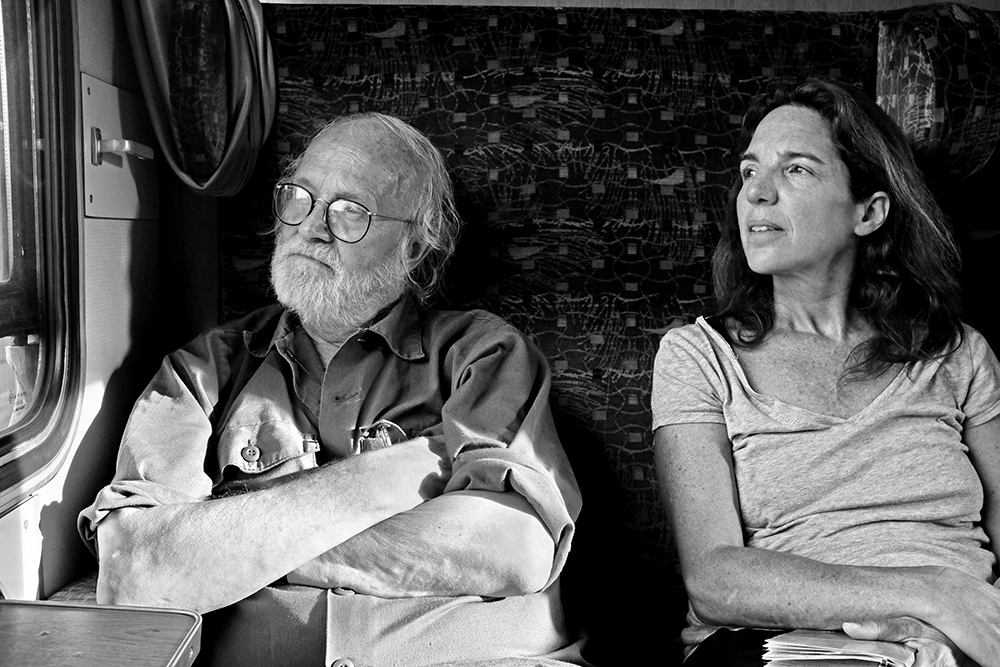
Speaking of Stoppard, it’s worth considering another artist with an unusual dedication to observing the human condition: Czech photographer (and fellow exile) Josef Koudelka, 87.
Josef Koudelka: Next, written by writer, curator, and National Magazine Award–winning editor Melissa Harris, is a sweeping visual biography of Czech photographer Josef Koudelka, one of the most celebrated — and private — artists working in the medium.
“In a profession with its share of single-minded swaggerers, Koudelka was on another level,” notes Nicholas Dawidoff, reviewing the artist’s most recent show at the Pace Gallery in New York City. “To be his lover, his child, or his friend was to know that his only full commitment was to his camera, and to what he and the camera would do tomorrow.”
Like Stoppard, Koudelka has been at work documenting the world for more than 60 years. Among his best-known projects are his coverage of the 1968 Soviet invasion of Prague, the lives of the Romani people, and his focus on the experience of exile — including his own, when he was forced to leave Czechoslovakia in 1970.
“To be in exile is simply to have left one’s country and to be unable to return. Every exile is a different, personal experience. Myself, I wanted to see the world and photograph it. That’s forty-five years I’ve been travelling. I’ve never stayed anywhere more than three months. When I found no more to photograph, it was time to go,” Koudelka told Le Monde in 2015.
Design Observer caught up with Harris here.
Some fine print
Here’s a sampling of our latest and greatest from the Design Observer editorial and contributor network.
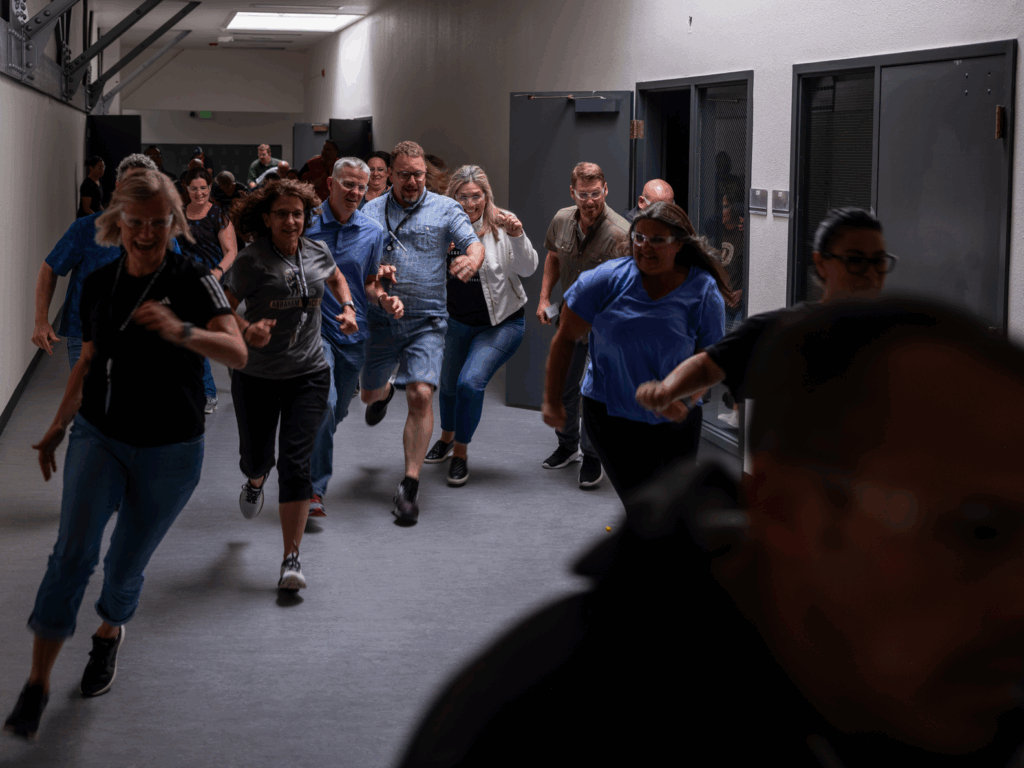
‘Thoughts & Prayers’ & bulletproof desks: Jessica Dimmock and Zackary Canepari on filming the active shooter preparedness industry. HBO’s new documentary, helmed by two lauded photographers-turned-parents, excavates the $3B market born from America’s school shooting problem. Interview by Alexis Haut.
Making ‘change’ the product: Phil Gilbert on transforming IBM from the inside out. In a wide-ranging conversation with Design Observer, the architect of IBM’s “Hallmark” transformation explains why most corporate transformations fail, and why treating change like a premium product may be the only way organizations thrive in an AI-driven future. Interview by Ellen McGirt.
Hiroshima: the lost photographs. Partly as a result of this essay, originally published by Design Observer in 2008, the International Center for Photography in New York exhibited Hiroshima: Ground Zero 1945 for three months in 2011. Essay by Adam Harrison Levy.
Observed
What are you observing? Tell us.
Chatbots reveal AI’s most exciting application to date: driving a “record $11.8 billion in Black Friday online spending.”
A mostly optimistic indie game end-of-year wrap-up: “In the spirit of the season, one thing I’m thankful for is indie studios being able to make the games they want despite external pressures,” says Engadget’s Kris Holt.
Hello, Sans Flex, Google’s new open-source font. It was released under the SIL Open Font License and designed by type designer and Font Bureau co-founder David Berlow.
In memoriam: Robert A. M. Stern, the iconic American architect and Yale dean, who founded the Robert A. M. Stern Architects firm (RAMSA) in 1969, has died. He was 86.
Spend some time with It’s Nice That’s “Ones to Watch 2025,” a curated list of next-generation creative talent from around the globe. You’ll be glad you did.
Louvre raises ticket prices by 45% for visitors outside the European Economic Area, which obviously includes Americans. The additional revenue will aid plans to improve security and undertake much-needed renovations, as part of a broader overhaul called “Louvre — New Renaissance.”
Leading architects and designers, including Daniel Libeskind, Sabine Marcelis, and Lina Ghotmeh, offer advice for up-and-coming talent in Dezeen’s “Performance Review” series. Wisdom ranges from the practical to the existential, but authenticity and showing up in person rank high. “Face-to-face connections still are so important in establishing bonds that can lead to future work/projects,” says Marcelis.
Wanna buy a Da Vinci? “Italian cultural officials are making it possible to purchase a limited edition, certified digital copy of the Renaissance genius’s ‘Lady with Disheveled Hair’ for roughly the price of a Lamborghini.” This seems like a good idea.
Paul Tazewell, the Oscar-winning costume designer behind Wicked, has joined the creative team of Rose Pandanwangi, an Indonesia-Philippines co-production about celebrated seriosa singer Rose Pandanwangi, via Variety.
Job board
Project Architect at NANO, New Orleans, LA
Industrial Designer (Bilingual — English / Chinese) at Smoore International Ltd., Phoenix, AZ
Technical Design Manager at Powerhouse Arts, Brooklyn, NY
(END OF SCENE)
Tom Stoppard knew when and how to insert a joke. This scene from Indiana Jones and the Last Crusade perfectly describes his signature wry humor.
For more, dig into this entertaining comparative analysis of his contributions to the Indiana Jones and the Last Crusade script.
This is the web version of The Observatory, our (now weekly) dispatch from the editors and contributors at Design Observer. Want it in your inbox? Sign up here. While you’re at it, come say hi on YouTube, Reddit, or Bluesky — and don’t miss the latest gigs on our Job Board.
More like this:
Arts + Culture
Jessica Helfand|Interviews
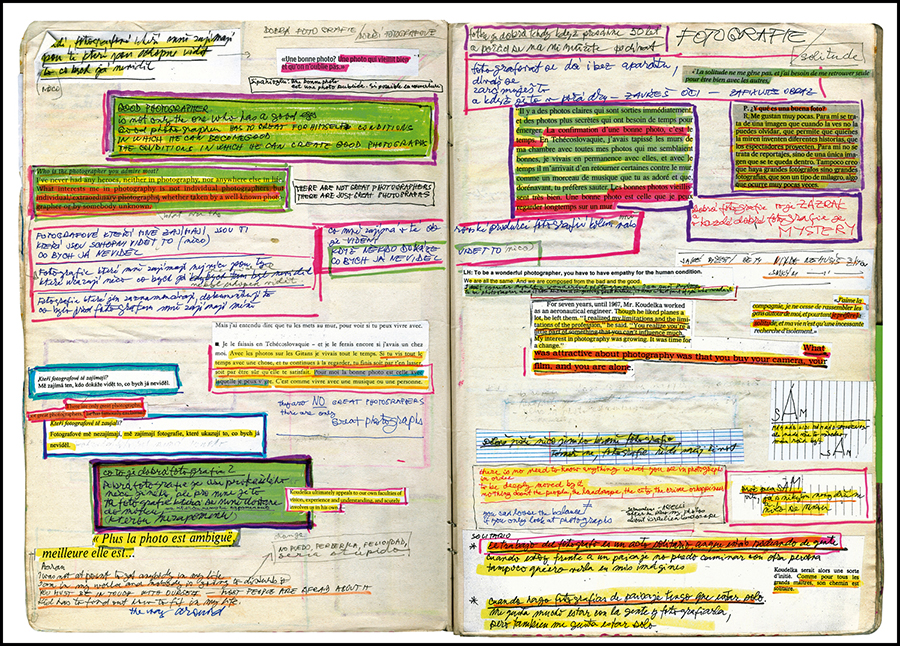
Josef Koudelka, Next: A Visual Biography: Ten Questions for Melissa Harris
“It was essential that I humanize Koudelka and extricate him from the more reductive and pedestaled realm of myth where so many position him,” says Harris.
Books
Steven Heller|Interviews
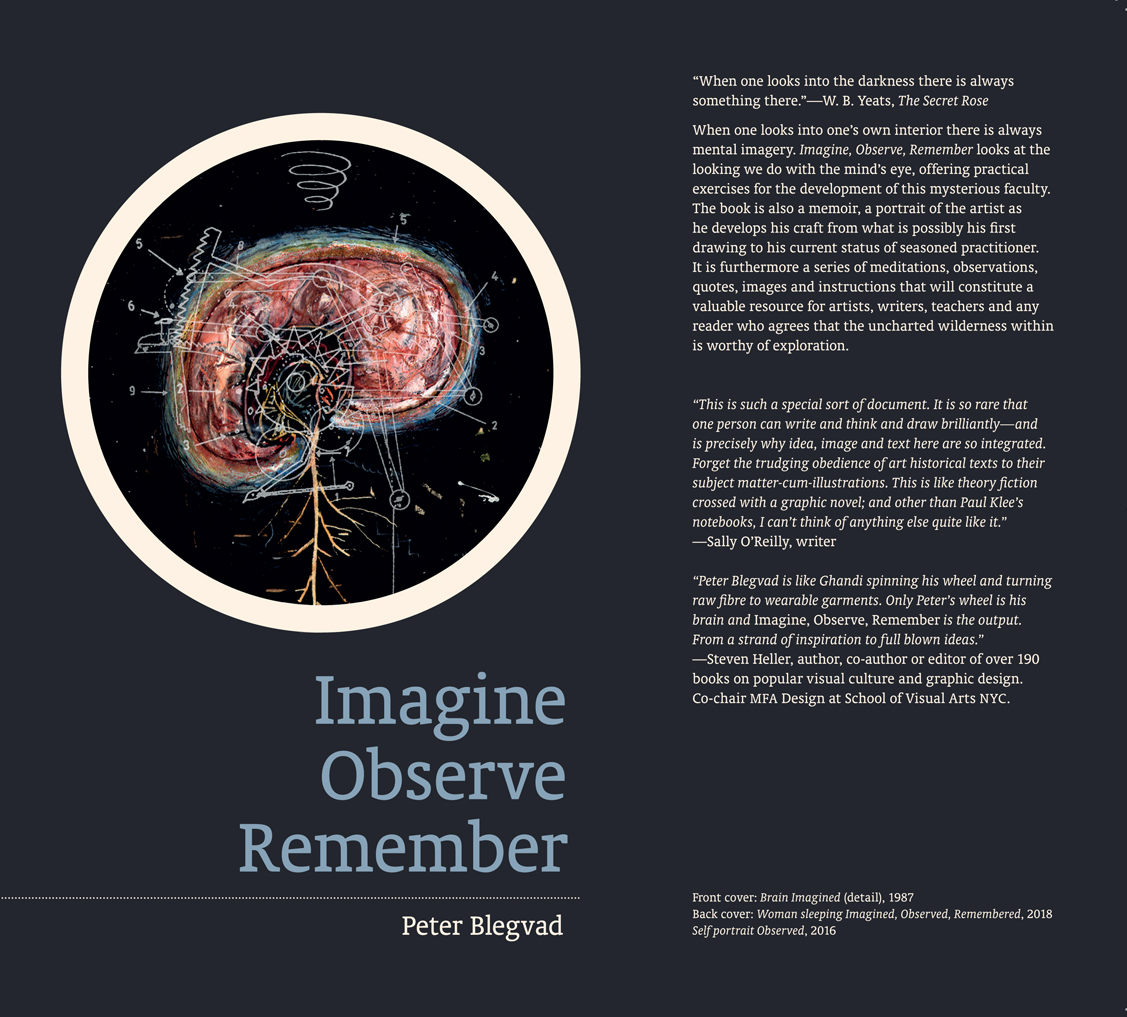
Imagine, Observe, Remember
The poetically enigmatic title says it all: Imagine, Observe, Remember; it is a book about process, memory, remembrance and interpretation.
Innovation
Vicki Tan|Books
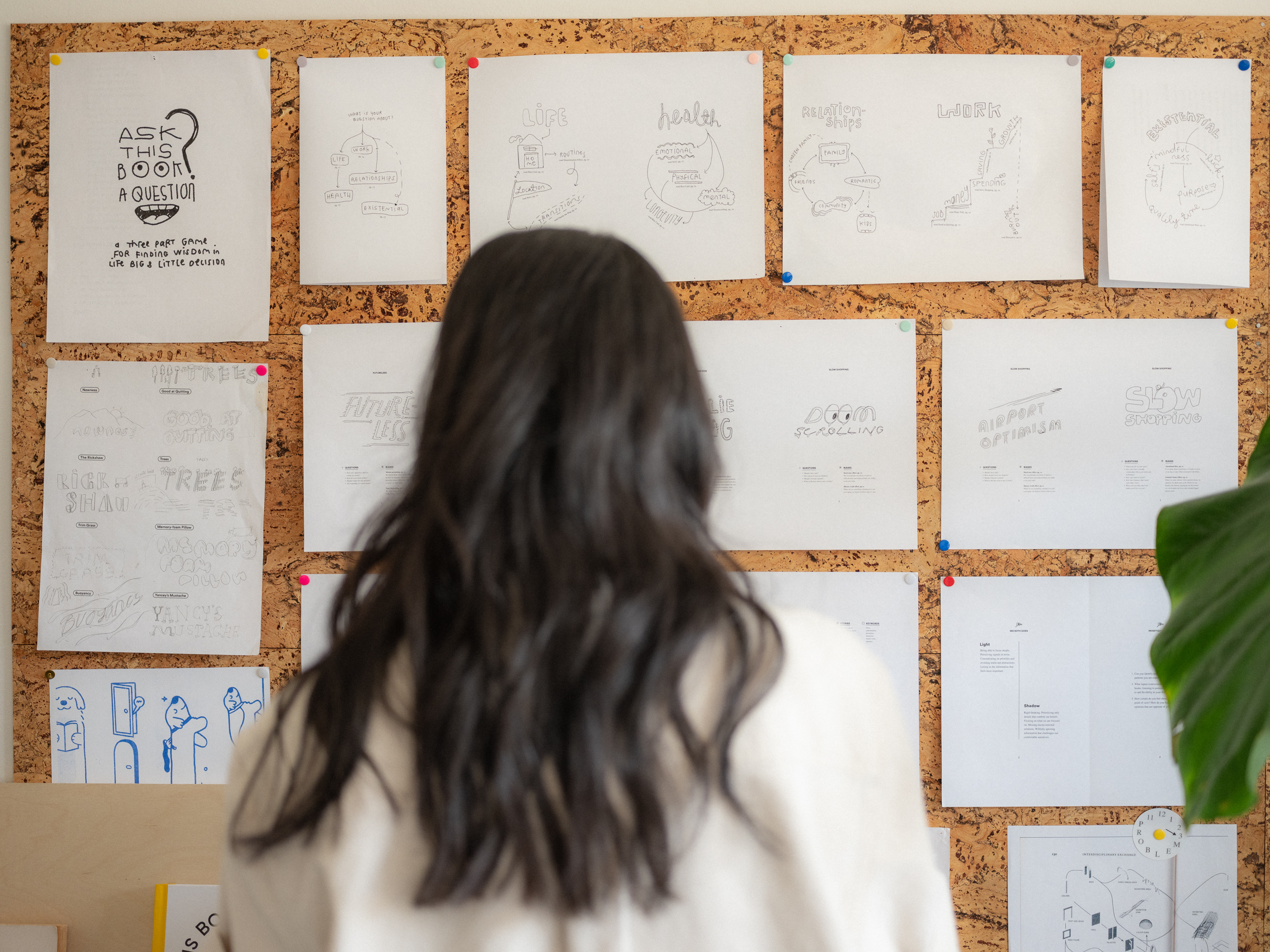
How can I design at a time like this?
A Pinterest product designer and author helps us each find our answer with a choose-your-own adventure approach to challenging our cognitive biases. Try it out!
Observed
View all
Observed
Share on Social


By Ellen McGirt
 Ellen McGirt is an author, podcaster, speaker, community builder, and award-winning business journalist. She is the editor-in-chief of Design Observer, a media company that has maintained the same clear vision for more than two decades: to expand the definition of design in service of a better world. Ellen established the inclusive leadership beat at Fortune in 2016 with raceAhead, an award-winning newsletter on race, culture, and business. The Fortune, Time, Money, and Fast Company alumna has published over twenty magazine cover stories throughout her twenty-year career, exploring the people and ideas changing business for good. Ask her about fly fishing if you get the chance.
Related Posts
The Observatory Newsletter
Ellen McGirt|New Ideas
Gen-AI is a threat to human thinking

AI Observer
Dave Snyder|Analysis
The identity industrialists
The Observatory Newsletter
Ellen McGirt
Lessons in connoisseurship from the Golden Globes
AI Observer
David Z. Morris|Analysis
“Suddenly everyone’s life got a lot more similar”: AI isn’t just imitating creativity, it’s homogenizing thinking
Related Posts
The Observatory Newsletter
Ellen McGirt|New Ideas
Gen-AI is a threat to human thinking
AI Observer
Dave Snyder|Analysis
The identity industrialists
The Observatory Newsletter
Ellen McGirt
Lessons in connoisseurship from the Golden Globes
AI Observer
David Z. Morris|Analysis