



November 18, 2015
Utopia in Print
 Thomas More, Utopia (1516); © The British Library Board
In mission and design, The Feminist Utopia Project foregrounds equality and transparency. Readers must navigate an explanation of the process, compensation and design objectives of the book project before lifting an extended front flap to reach a circular table of contents. (More’s Utopia was a rounded island of fifty-four cities; the feminist version is apparently a rounded list of fifty-seven contributors). The contributions are defiantly not grouped into thematic categories; the guiding idea behind this presentation is that it should encourage readers to read according to whim or interest, rather than following the dominating vision of an editor. There are many passionate and curious visions in the anthology: the adult performer Sovereign Syre provocatively discusses the systematic undervaluing of “emotional labor” in contemporary culture—a category which she defines to include the work of nurses, flight attendants, and porn stars. Playwright Abigail Carney imagines the calm of a world where “most people do not notice” when gendered pronouns simply drop out of Biblical text. Sheila Heti productively interviews the Canadian feminist Judy Rebick of rabble.ca. The most useful comments are made by Melissa Harris-Perry, who stresses the value of utopia as an ongoing interrogation, rather than a closed set of ideas or a finished state. Despite the editors’ best efforts to eliminate any authorial hierarchy, those who express themselves for a living are at a clear advantage here. Taken together, many of the contributor’s visions are sadly mundane: the themes of universal access to high quality childcare, equitable health care, and a built environment which is navigable for all the earth’s citizens recur again and again. Whatever a feminist utopia might be, it’s clear that in 2015, it’s not a very sensual place, nor a very funny one.

Observed
View all
Observed
Share on Social


By Victoria Solan
Related Posts
Design Impact
Ellen McGirt|Books
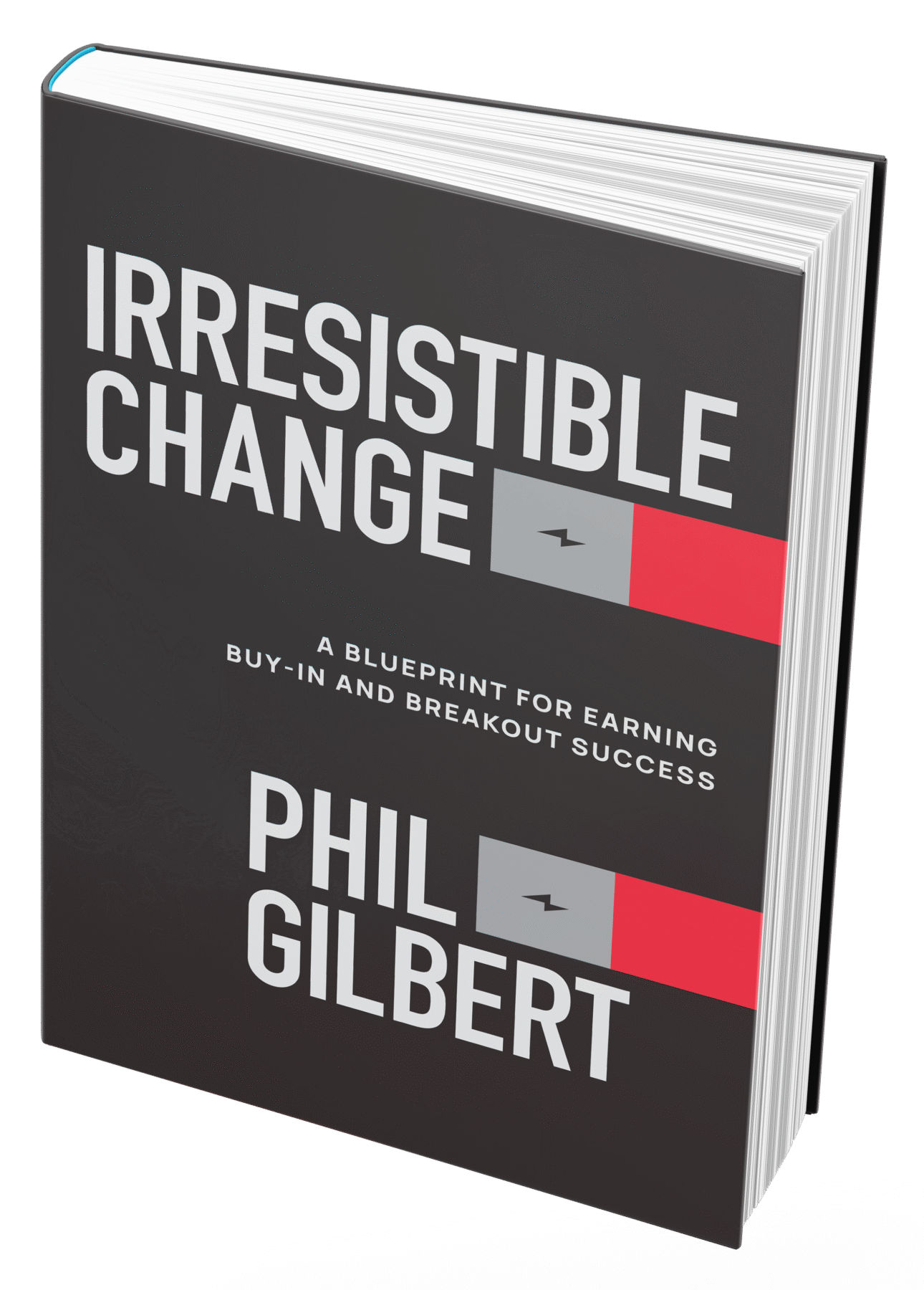
No mandates, only opportunities: IBM’s Phil Gilbert on rethinking change
Education
The Editors|Books
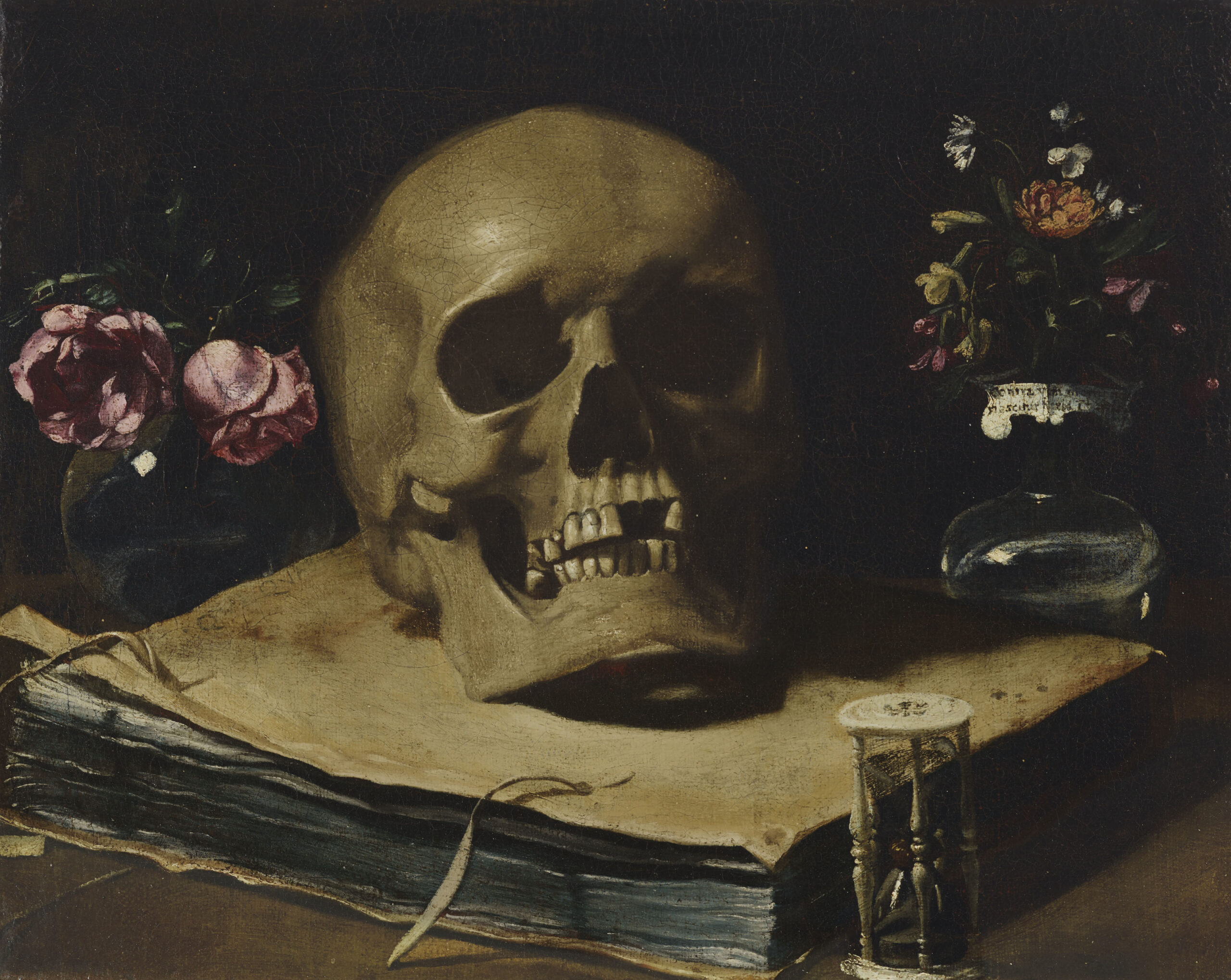
Your October reading list: The Design of Horror | The Horror of Design
Innovation
Vicki Tan|Books
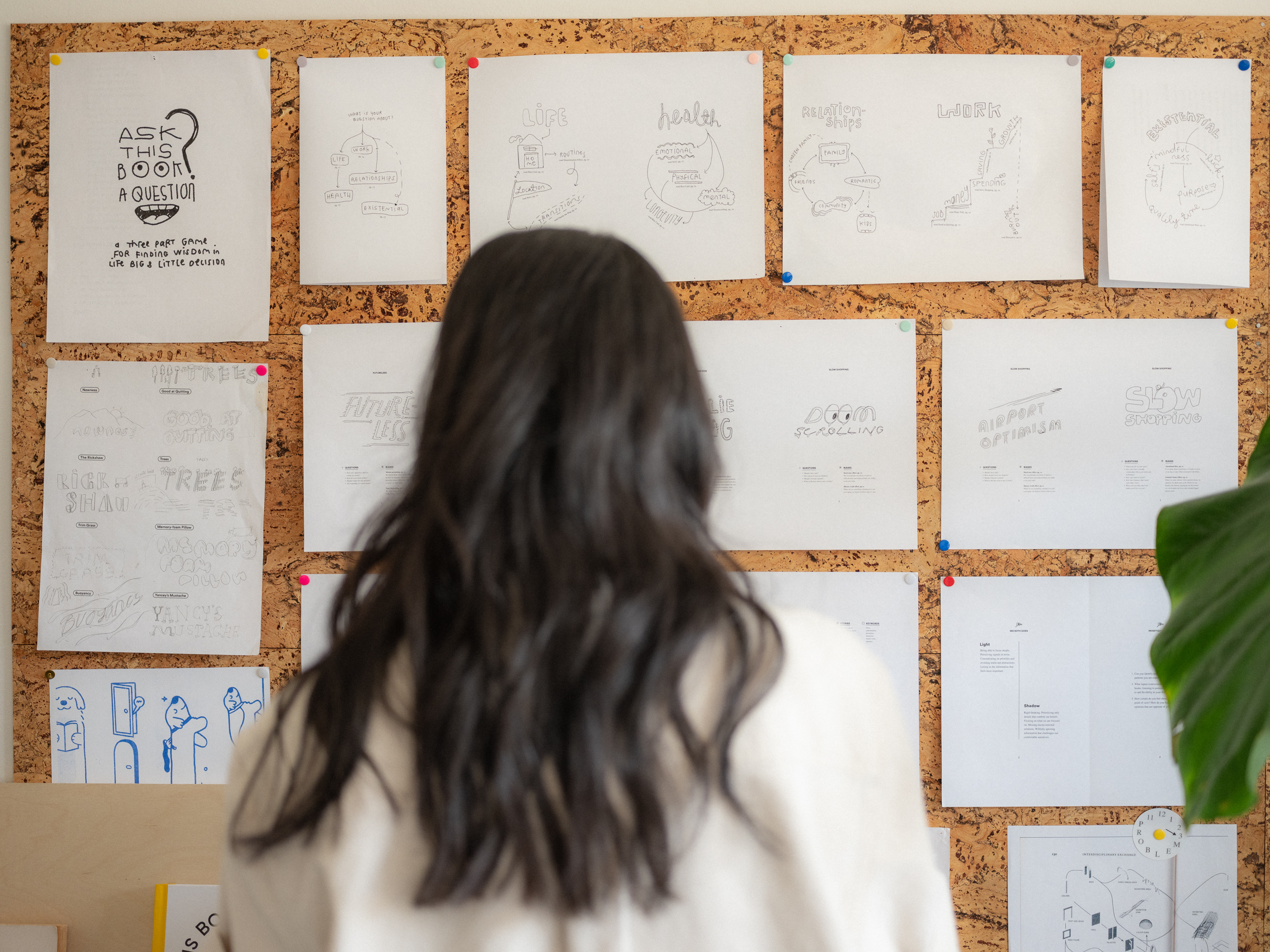
How can I design at a time like this?

AI Observer
John Maeda|Books
Should we teach AI to reflect human values, emotions, and intentions?
Related Posts
Design Impact
Ellen McGirt|Books
No mandates, only opportunities: IBM’s Phil Gilbert on rethinking change
Education
The Editors|Books
Your October reading list: The Design of Horror | The Horror of Design
Innovation
Vicki Tan|Books
How can I design at a time like this?
AI Observer
John Maeda|Books