


August 7, 2025
What’s money for?
Introducing a column about wealth, power, and purpose.
Editor’s note: After two decades of making the wealthy wealthier, Tom Haslett walked away from Wall Street on his 40th birthday to discover what money could really accomplish. In his inaugural column, the former social impact investor reckons with his own quest to make the kinds of investments that matter.
“We spent the weekend feeding USAID into the woodchipper.”
So tweeted Elon Musk on February 3, following the Trump administration’s dismantling of the United States Agency for International Development.
The impact of DOGE’s supposed efficiency maneuver on US well-being is negligible; the agency’s annual budget was less than 1% of the US’s total budget in 2023.
The impact on the world writ large, however, is cataclysmic. USAID helped save 90 million lives between 2001 and 2021. Without the agency in place, 8–19 million people who might have lived are projected to die within the next five years. Of these fatalities, 4–5 million will likely be children.
This part hits hardest.
I spent 15 years working in Southern and Eastern Africa and in India to improve well-being for children. From rural homesteads in Eswatini to households in Mumbai’s Dharavi slum, I witnessed the promise of children playing, studying, and being cared for. Directly and indirectly, USAID and US taxpayer dollars impacted these children, providing access to rudimentary healthcare, nutritious meals, and opportunities to learn. Over the past few months, I have talked with dozens of Indian, African, and American colleagues. We all feel a deep sense of sadness and loss as our years of work are turned into woodchips.
A fraught national legacy
USAID’s history, like so many US histories, is fraught. When Kennedy launched the agency in 1961 alongside the Peace Corps, he envisaged a powerful counterweight to the hard power his administration had projected into South Vietnam. Soft power — diplomatic power — was first and foremost a critical tool in US foreign policy, not an act of goodwill.
In 2003, Bush drew from this same playbook, launching the President’s Emergency Program for Aids Relief (PEPFAR) within USAID, the program I partnered with during my NGO days. PEPFAR, which helped scale AIDS treatment globally as HIV ravaged communities in Sub-Saharan Africa and Southeast Asia, was also meant to balance the hard power Bush had embedded in efforts to force regime change in Afghanistan and Iraq: The War on Terror launched after the September 11th attacks in 2001.
A poignant personal reckoning
My own story is a reckoning with power, hard and soft.
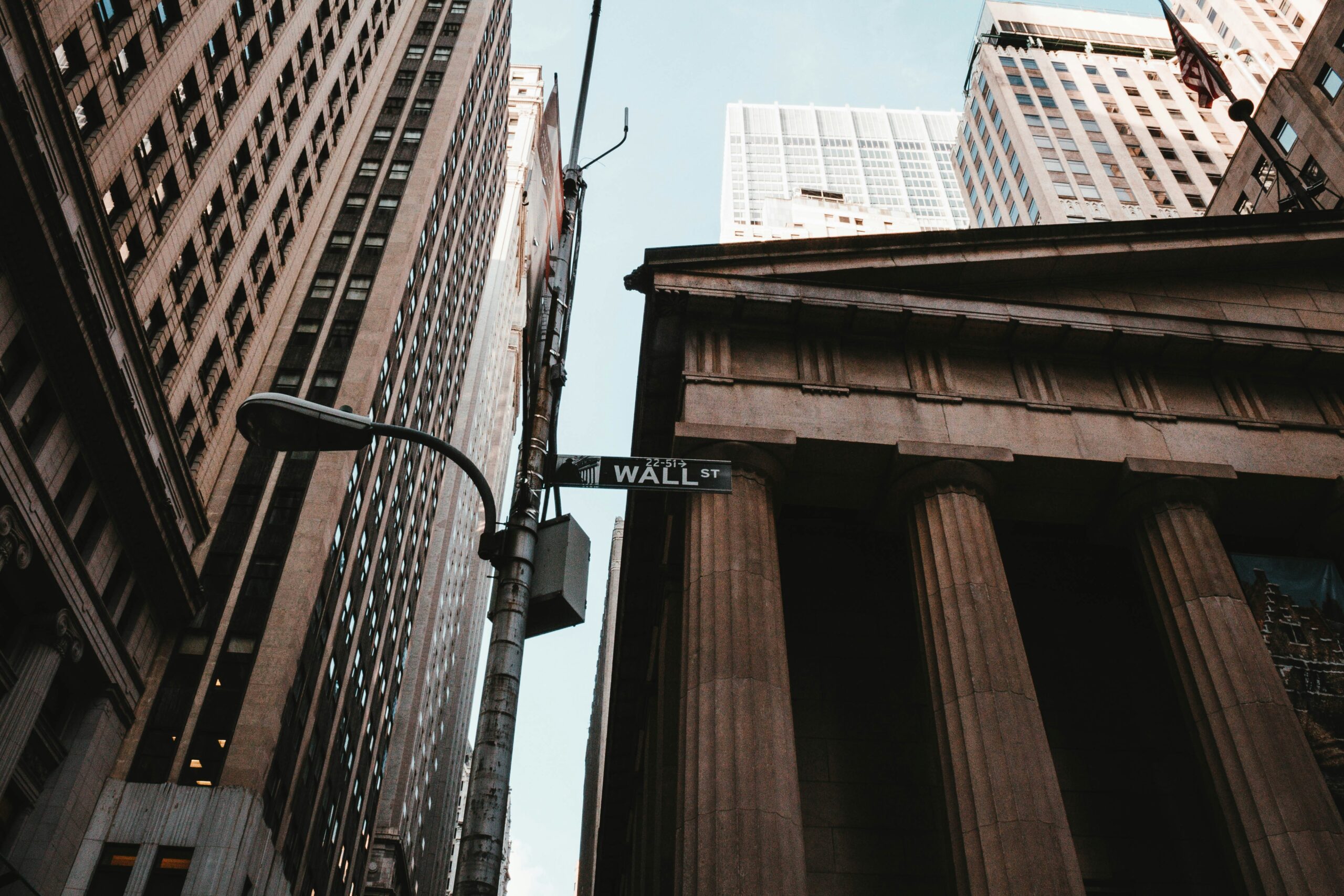
After college, I worked on Wall Street. I looked the part and walked the talk. Soon, I was leading teams that invested wealth from the United States and Europe into the “emerging markets” (Asia, Latin America, Africa, and the Middle East). We capitalized the industries that employed millions and generated economic growth. The cement plants, paper mills, gold mines, and fish farms financed with foreign capital destroyed local environments, accelerated social class divisions, and advanced so-called globalization. Wealth formation, some of which lined the pockets of local elites while much of the rest was repatriated to Europe and the US, came at the expense of so many others: workers who died in industrial accidents, biodiversity that collapsed, and ecosystems that were eviscerated. I earned a lot of money, too. This wealth extraction was my version of hard power.
I celebrated my 40th birthday on September 11th, 2001. It was a turning point. As I witnessed the fall of the Twin Towers — monuments to my Wall Street career — I awakened to the very real rubble and carnage that hard power can leave in its wake.
And I decided that I wanted to help pick up the pieces.
With my family’s support, I turned toward social development. By 2005, I was working with PEPFAR funding and an NGO called Bantwana to support community-based organizations in Eastern and Southern Africa serving children orphaned and made vulnerable by HIV.
Working with amazing community leaders, our team helped build local capacity, developing healthcare referral networks, advocacy programs, and schools and clinics that served millions of people. And I saw firsthand how applying soft power, power with rather than over, could enable small communities to address a global public health crisis. I learned how trust, compassion, and relationships could forge lasting change. And mostly, I learned that millions of dollars, carefully spent, and invested in human capital, could generate amazing returns for people, families, and communities.
The chips falling where they may
I wonder what parts of these critical programs that we built over 15 years will survive. I wonder if children in Eswatini and Zimbabwe will face greater challenges over the next 15.
History paints a grim picture.
The two-decade War on Terror ultimately cost the lives of thousands of US soldiers and hundreds of thousands of civilians, along with an $8 trillion price tag. Hard power is expensive, and the results aren’t very satisfactory. Where would we be if we had invested these trillions to support our national well-being — improving housing, healthcare, and education here in the US? Presidents Kennedy and Bush applied soft power alongside hard power to advance US interests. President Trump appears to be doing the opposite: as I write this, news is breaking of Congress’ support for Trump’s demand to rescind $7.9 billion that had been allocated to support our soft power.
As we initiate trade wars, as we embrace conflict in the Middle East, and as we wage war on our own social fabric, we need to reflect on soft power’s viability. Do we have what it takes to develop new ways of working together to achieve a set of shared goals, or must we presume confrontation and conflict will achieve our objectives?
Investing money to generate human, natural, and civic capital is much harder than investing money to make money. It takes patience and an unfamiliar set of success metrics. It takes creativity, curiosity, and courage, too. But the rewards are that much greater: health, freedom, safety, and joy.
Which leads me to this moment and this column.
Given the many urgencies facing the world, why haven’t we found more, and more sustainable ways, to promote our collective well-being? Can our collective curiosity and courage lead us to redesign ways to invest money? Who or what is standing in the way? I began exploring these issues some 24 years ago, and have come to believe that the questions we ask are as important as the answers.
What’s on your mind? Let me know.
Observed
View all
Observed
Share on Social


By Tom Haslett
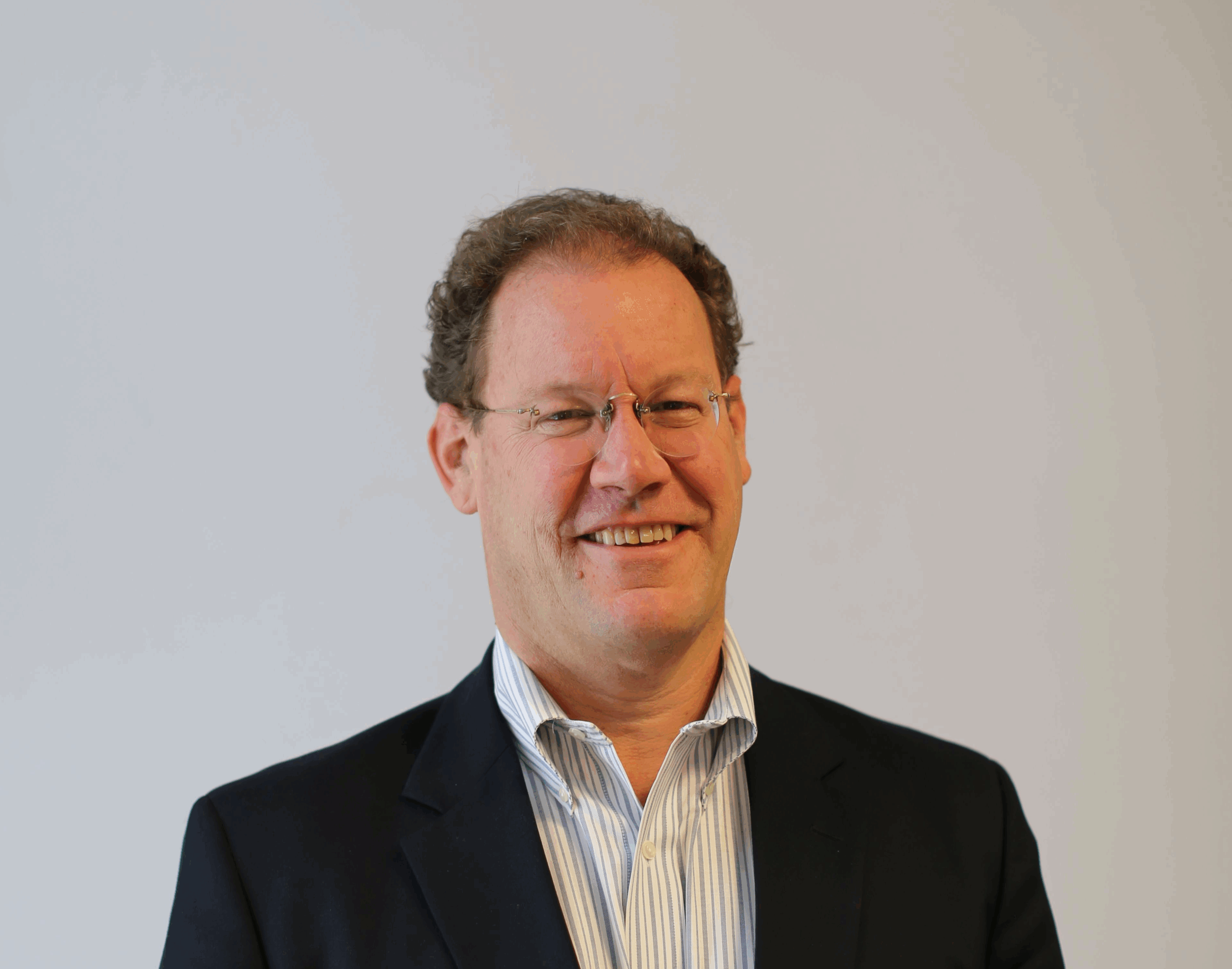 Tom Haslett is a chief investment officer–turned–social entrepreneur who’s served in vulnerable communities in Africa, Asia, and the US. After two decades making the wealthy wealthier, Tom walked away from Wall Street on his 40th birthday to discover what else money could accomplish. And it’s left him asking some hard questions: Is wealth a prison? Can investing it create genuine change? And as our world faces unprecedented challenges and opportunities, what exactly is money for?
Related Posts

The Observatory Newsletter
Ellen McGirt|New Ideas
Gen-AI is a threat to human thinking

AI Observer
Dave Snyder|Analysis
The identity industrialists

The Observatory Newsletter
Ellen McGirt
Lessons in connoisseurship from the Golden Globes
AI Observer
David Z. Morris|Analysis
“Suddenly everyone’s life got a lot more similar”: AI isn’t just imitating creativity, it’s homogenizing thinking
Related Posts
The Observatory Newsletter
Ellen McGirt|New Ideas
Gen-AI is a threat to human thinking
AI Observer
Dave Snyder|Analysis
The identity industrialists
The Observatory Newsletter
Ellen McGirt
Lessons in connoisseurship from the Golden Globes
AI Observer
David Z. Morris|Analysis